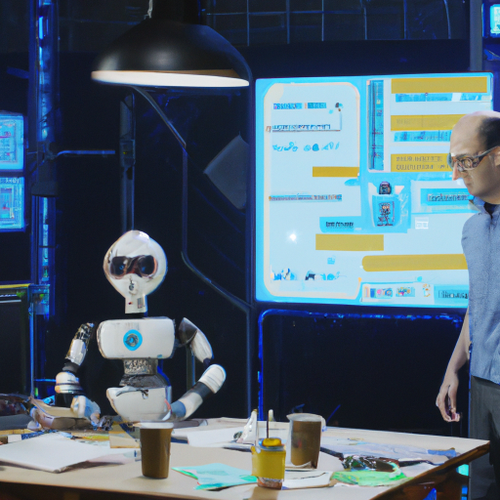
I think by now everybody reading this will have seen how the new generation of Large Language Models like ChatGPT are able to produce somewhat useful code. Like any advance in software development—from IDEs to high-level languages—this has generated some discussion on the future employment prospects in our field.
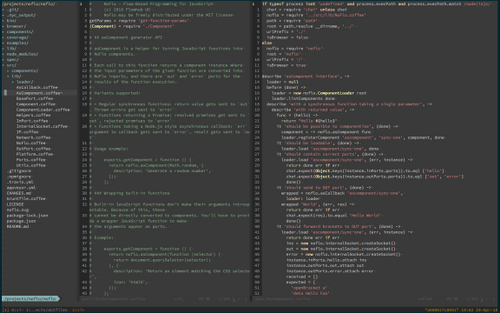
When I’m not in Flowhub-land, I’m used to developing software in a quite customized command line based development environment. Like for many, the cornerstones of this for me are vim and tmux.
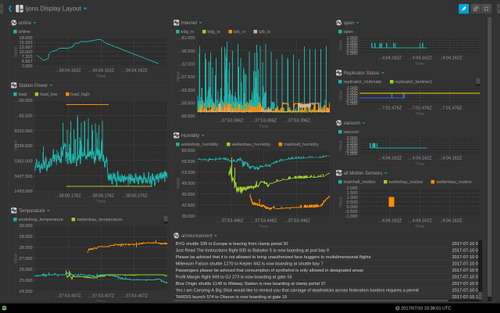
One important aspect of any Internet of Things setup is being able to collect and visualize data for analysis. Seeing trends in sensor readings over time can be useful for identifying problems, and for coming up with new ways to use the data.
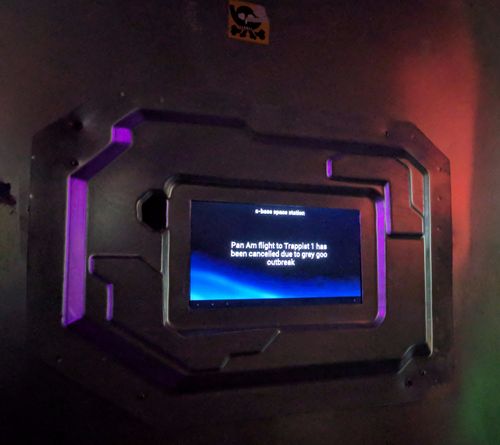
Last weekend we held the c-base IoT hack weekend, focused on the Flowhub IoT platform. This was continuation from the workshop we organized at the Bitraf makerspace a week earlier. Same tools and technologies, but slightly different focus areas.
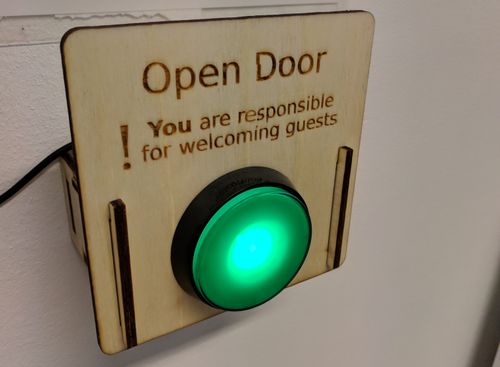
I just got back to Berlin from the Bitraf IoT hackathon we organized in Oslo, Norway. This hackathon was the first of two IoT workshops around MsgFlo and Flowhub IoT. The second will be held at c-base in Berlin this coming weekend.
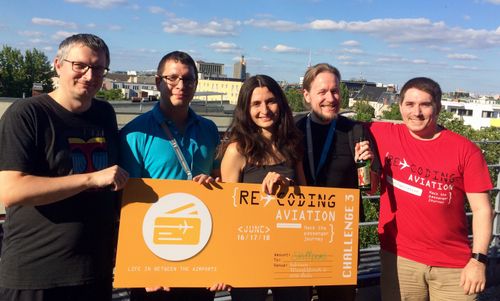
Last week I participated in two hackathons, events where a group of strangers would form a team for two or three days and build a product prototype. In the end all teams pitch their prototypes, and the best ones would be given some prizes.
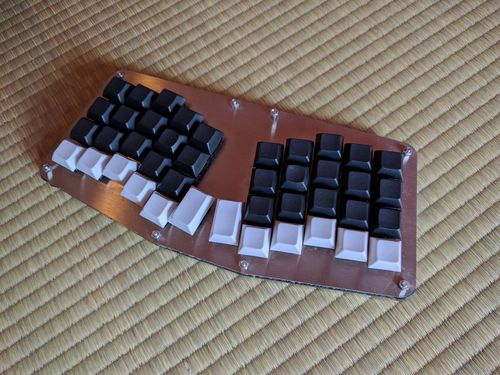
As mentioned in my Working on Android post, I’ve been using a mechanical keyboard for a couple of years now. Now that I work on Flowhub from home, it was a good time to re-evaluate the whole work setup. As far as regular keyboards go, the MiniLa was nice, but I wanted something more compact and ergonomic.
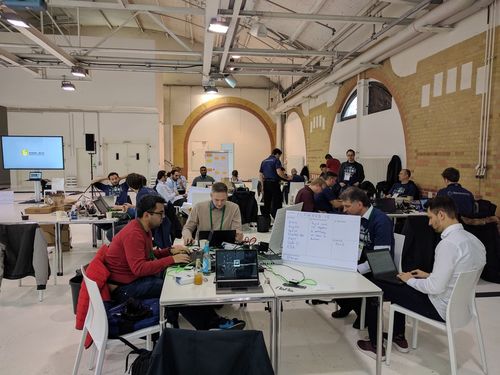
I’ve been attending the Bosch Connected Experience IoT hackathon this week at Station Berlin. Bosch brought a lot of different devices to the event, all connected to send telemetry to Eclipse Hono. To make them more discoverable, and enable rapid prototyping I decided to expose them all to Flowhub via the MsgFlo distributed FBP runtime.
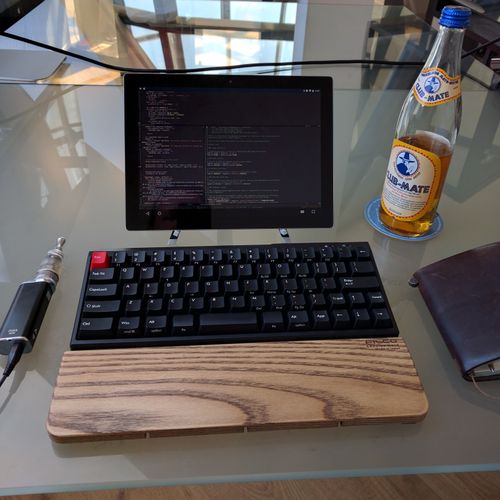
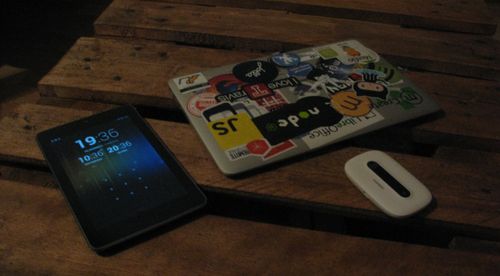
Back in 2013 I was working exclusively on an Android tablet. Then with the NoFlo Kickstarter I needed a device with a desktop browser. What followed were brief periods working on a Chromebook, on a 12” MacBook, and even an iPad Pro.
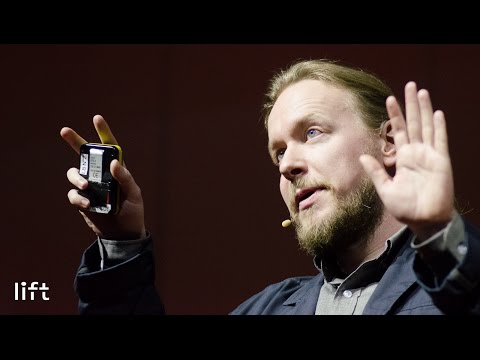
As mentioned last year, I’m working on a Artificial Intelligence that can do web design. It is called The Grid. Last week I gave a talk at Lift Conference explaining how it all works.
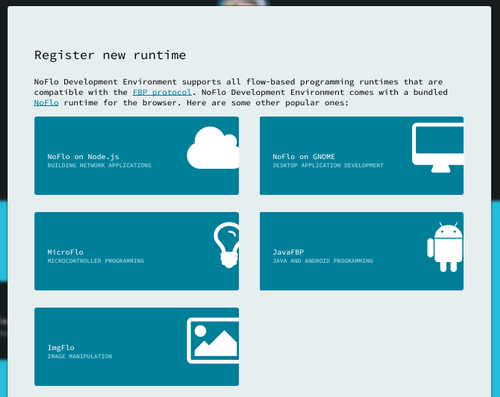
It is now a year since our NoFlo Development Environment Kickstarter got funded. Since then our team together with several open source contributors has been busy building the best possible user interface for Flow-Based Programming.
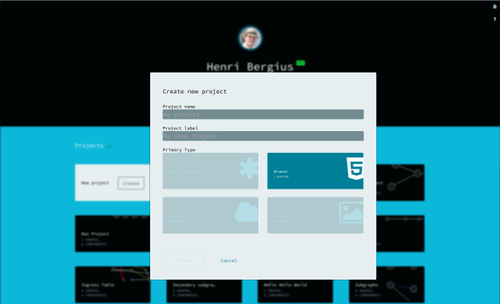
Today I’m happy to announce the public beta of the Flowhub interface for Flow-Based Programming. This is the latest step in the adventure that started with some UI sketching early last year, went through our successful Kickstarter — and now — thanks to our 1 205 backers, it is available to the public.
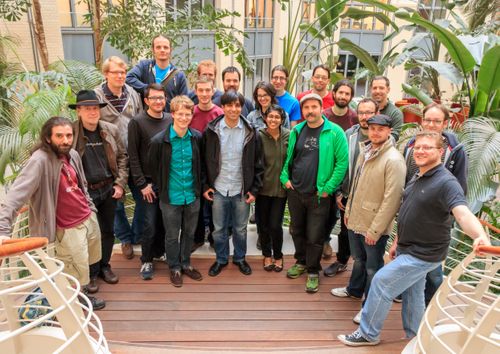
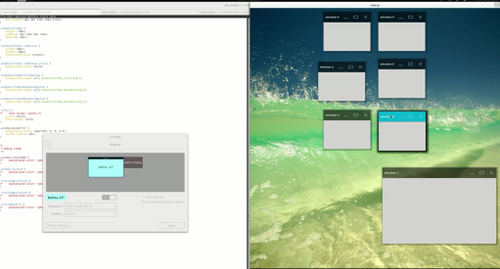
I’ve spent the last three days in the GNOME Developer Experience hackfest working on the NoFlo runtime for GNOME with Lionel Landwerlin.
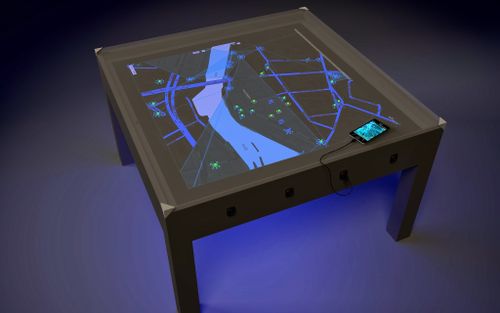
The c-base space station — a culture carbonite and a hackerspace — is the focal point of Berlin’s thriving tech scene. It is also the place where many of the city’s Ingress agents converge after an evening of hectic raiding or farming.
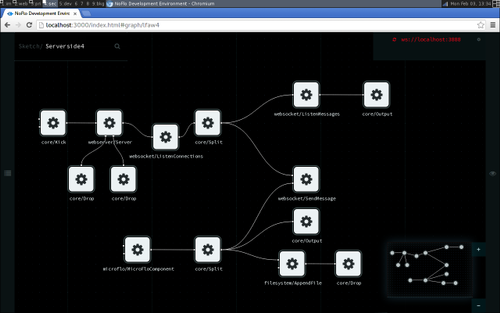
The idea of Full-Stack Development is quite popular at the moment — building things that run both the browser and the server side of web development, usually utilizing similar languages and frameworks.
As the readers of this blog know, I’ve been working on a Flow-Based Programming implementation for JavaScript in the form of the NoFlo project. The idea of FBP in nutshell is to separate the control flow of software from the actual implementation. Developers build reusable “black box” components that are then connected with each other through a graph that you...
It has been interesting to watch the reactions to Bret Victor’s The Future of Programming and our NoFlo Kickstarter. While much of it has been supportive, there seems to be a largish group of people that are offended by these notions. How dare we suggest that software could be made in other ways than textually?

Those that have been following my blog for a longer time know that I’ve been talking a lot about making the Linux desktop and mobile platforms location aware.
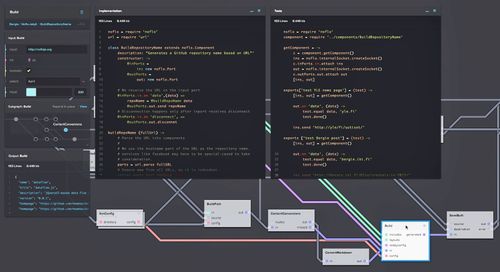
This has been a big week for NoFlo, the flow-based programming environment for JavaScript. Yesterday we released NoFlo 0.4, which added support for running flow-based programs in web browsers. And today we launched our NoFlo Development Environment effort on Kickstarter. Before continuing, make sure to watch the video!
The eagerly waited Leap Motion controller is now out, and reviews are pouring in. Most of them see the promise but find the current experience frustrating:
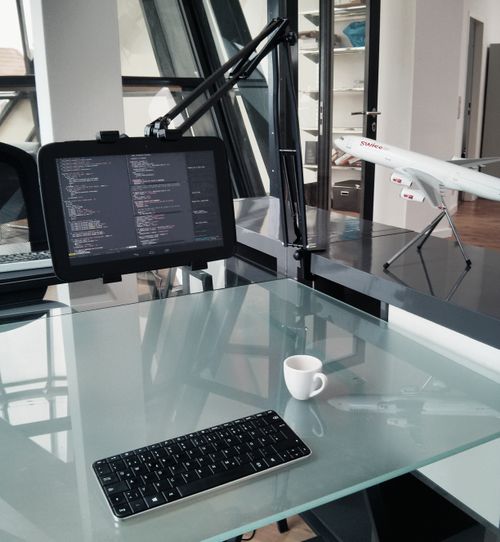
I’ve been working full time on my Android workstation for over a month now, and it is time to write an update about it. How has it worked out?
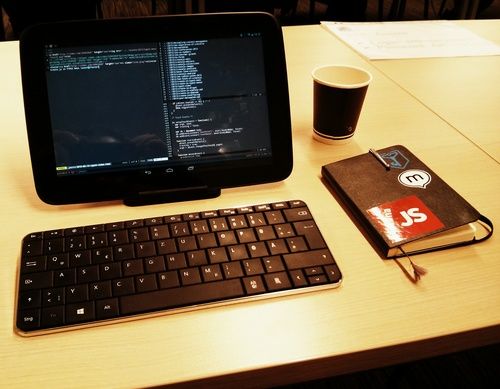
As mentioned in my post Hacker-nomad’s toolkit, 2012 edition, the lease period of my lovely — Linux-driven — 11” MacBook Air expired this month, and I had to consider what kind of gear to go with next.
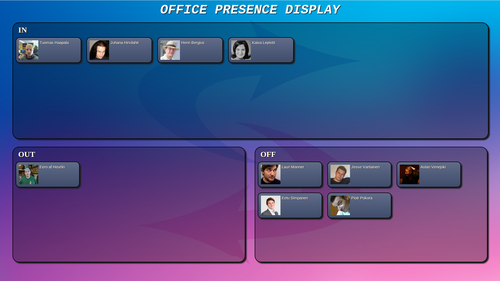
As part of the SmarcoS project, we have been investigating how to make workplaces smarter through sensors and context awareness. Here is a video showing what we’ve built:
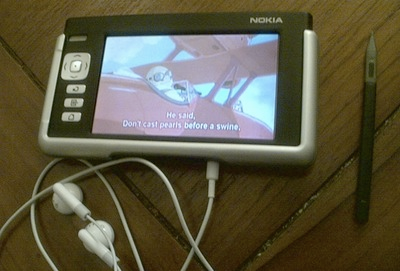
Back in last July – when choosing photos to use in the epic The Dreams of the MeeGo Diaspora post – I noticed that it is quite fascinating to look at the various tablets and mobile phones we’ve been using over the years. Back then they all were so new, shiny, and exciting, and yet hardware moves so fast that...
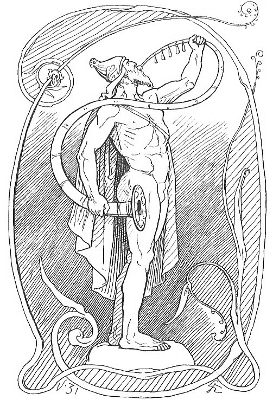

Unfortunately I will not make it to GUADEC this year. However, here is something new for GNOME developers:
Much has been written about the emerging Post-PC era, about the new possibilities it brings, and the limitations it imposes on developer creativity.
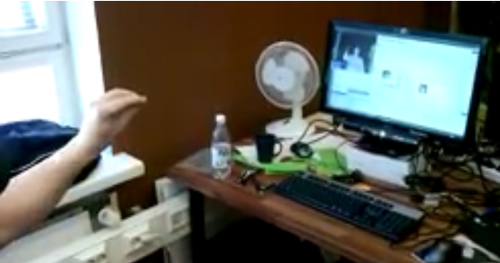
If today’s Google I/O keynote where they parachuted to the conference center from a Zeppelin while streaming the whole experience on a Hangout via Project Glass wasn’t enough future for you, here is another thing.
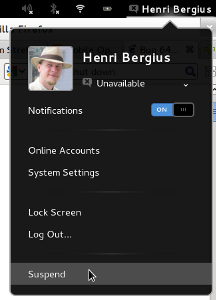
Michael Mace has a very interesting review of Windows 8. As whole it is a good read for anybody interested in where this whole modern computing thing is going. But this part specifically caught my interest:
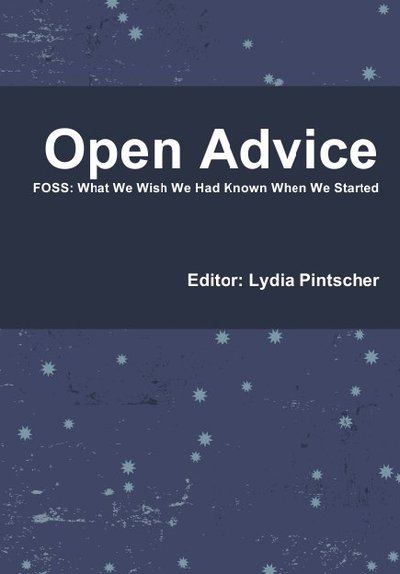
I seem to have not blogged about this, but Open Advice, our book on Free and Open Source Software: what we wish we had known when we started, was published last month. The book was edited by Lydia Pintscher and includes essays from 42 authors, many of whom you'll recognize if you tend to go to FOSS conferences. The LWN...
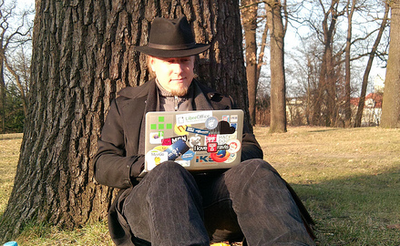
I build software for a living. This means creating the new generation of Content Management interfaces in the IKS Project and developing custom client applications at Nemein. As my office is where my laptop is, none of this work is particularly tied to a physical location. And as much of the work is communicating, I end up spending quite a...
As mentioned in the earlier call for presentations, we're running a track on Open Mobile Linux in FOSDEM this Saturday. Room AW1.120 at the ULB campus in Brussels. From the CfP: Our primary goal is to facilitate meetups, collaboration and awareness between different projects and communities within Open Mobile Linux and provide a place to present directions, ideas and your...
Hack your GNOME3 desktop in JavaScript
In Suski's blog I saw a question on whether developing GNOME apps would be possible in CoffeeScript. The answer is yes. I wrote a quick example back in Desktop Summit: # GObject Introspection APIs are available from imports.gi.ModulenameGtk = imports.gi.Gtk# For GNOME 3.2+ this should be Gtk.init null, 0Gtk.init 0, nullwin = new Gtk.Window type: Gtk.WindowType.TOPLEVELwin.set_border_width 10win.connect "destroy", (widget) ->...
At FOSDEM 2012 we will have a devroom related to Open Mobile Linux. Our primary goal is to facilitate meetups, collaboration and awareness between different projects and communities within Open Mobile Linux and provide a place to present directions, ideas and your projects themselves. By Open Mobile Linux we mean any open source projects revolving around typical non-desktop/server Linux, such...
Qt 5 is bringing JS at the same level of support as C++—Quim Gil, Nokia
These are tough times for fans of open mobile environments. Android is less and less open, Symbian was closed again, HP stopped making webOS devices, and now Intel abandoned MeeGo to work with Samsung and operators instead. So, what is the community to do? One option is to follow the lead of the big companies, hoping that Tizen works, or...
Windows 8 JavaScript code examplesAs seen from the list, JavaScript is a first-class citizen in the Windows 8 world. For example, dealing with Contacts:
Microsoft embraces the Universal RuntimeSimple JS calls like var instance = new Windows.SomeInterface() will be the new way to access Windows APIs, with HTML5 and CSS for rendering.
GObject Introspection (GIR) is a way to create automatic bindings to GNOME libraries for various different programming languages. I’ve written before about the benefits of bringing GIR to PHP, and now it seems something similar is happening on Node.js.
I’m getting worried about Google. Long one of the champions of the open web alongside Mozilla, the rise of social networking silos and the app economy seem to have scared them. And like any scared organism, they lash out.
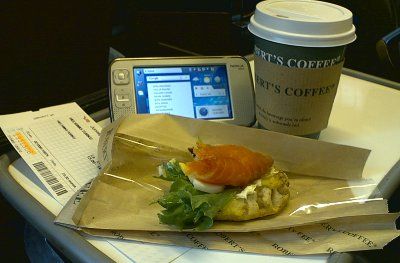
The press is writing a lot about a "post-PC ecosystem" these days, and while many dismiss tablets as simple toys, I think the world of computing is undergoing a major shift. Tablets may not be good for writing, but they are good, probably better than PCs for a lot of other things. And it turns out, people want to be...
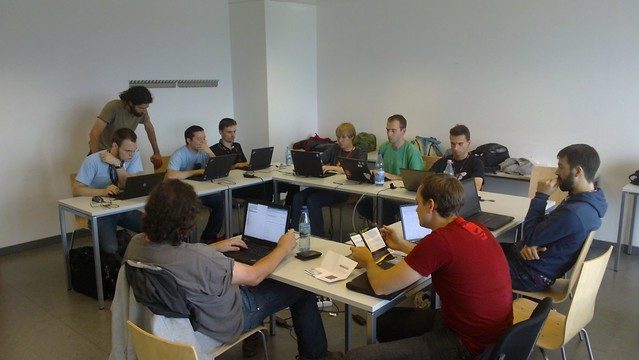
As usual, Desktop Summit 2011 has been a lot of fun. I’ve been to most of the GUADEC and aKademy free desktop events in the past few years, but this was the first time I didn’t give a talk. Even that way, it was definitely worth spending a week in Berlin.
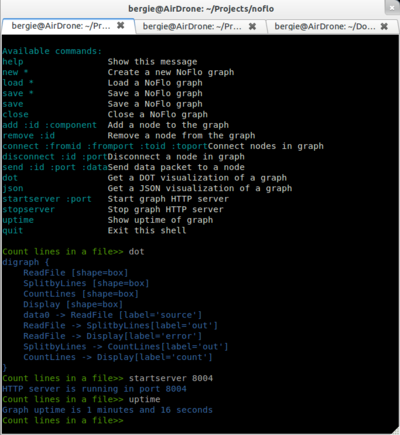
Like many, I'm currently in Berlin for Desktop Summit, the combined conference of the GNOME and KDE communities. It is a lot of fun to see all the familiar faces, and talk about the different projects going on! Now, one of the things I've talked about with people is NoFlo, my new tool that brings Flow-Based Programming to Node.js. What...
GObject Introspection is one of the hidden jewels of the GNOME stack: you write a library in C or Vala, and it becomes automatically available to a wide variety of languages and runtimes, including Python, JavaScript, Java and Qt.

Disclaimer: I’m a software developer with a background in Nokia’s Maemo mobile Linux ecosystem. I’ve built both software and community services for it. As a Maemo enthusiast, I’ve also been following MeeGo with interest, and am helping to build some of the project infrastructure there as well. But I do not speak with the authority of the MeeGo project, and...
This weekend, after Falsy Values, I will be flying to San Francisco for a couple of weeks. There are some conferences: MeeGo Conference, May 23-25 Aloha Editor dev con, June 6-8 However, as there is quite some time between these two events, it would be interesting to meet cool people and/or projects. So if you're in the area, drop me...
Remember that bit about JavaScript being the universal runtime? If you doubted it, then here is some proof: boot and run Linux in your browser.
Somehow I had missed this term being coined: The old "open vs. proprietary" debate is over and open won. As IT infrastructure moves to the cloud, openness is not just a priority for source code but for standards and APIs as well. Almost every vendor in the IT market now wants to position its products as "open." Vendors that don't...
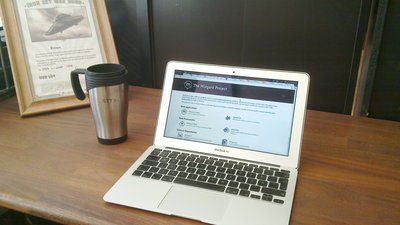
A while ago I blogged about my impressions on running Ubuntu Natty and GNOME3 on my MacBook Air. As I've gotten some questions about the laptop itself, I decided to write something about it. Simply put, the 11" MacBook Air is the best computer I've ever had. I've always appreciated small and light laptops as I travel quite a bit,...
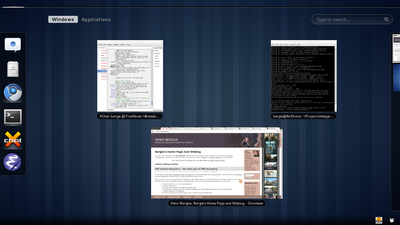
So, GNOME3 was released last week. I was then away in Saarbrucken, working on some linked data stuff, and so didn't have the courage to upgrade. But today I took the leap and installed both Ubuntu Natty beta and GNOME3 from the PPA. Now my 11" MacBook Air finally has the setup I originally intended for it. As Ars Technica...
While PHP remains my primary programming language for various reasons, my recent projects have involved quite a bit of JavaScript development. And I have to say I like it: the event-driven paradigm is quite elegant, closures are a joy to work with, and tools like Node.js and jQuery really open up the possibilities of the language. But there is one...
There is currently quite stern discussion going on between GNOME, Canonical and KDE about collaboration on the free desktop. Angry words have been written, and I believe much of the tension arises from the situation with MeeGo. Suddenly many developers and projects feel much more marginalized than what the future looked like, pre-112. Hopefully cooler heads will prevail before the...
In the coming years another billion people will get online. They will do it with their smartphones instead of what we consider computers. And their experience will be quite different from ours when we initially started using the internet.Despite its promises, it looks like the post-PC ecosystem will be a lot more restrictive than the PC one was even in...
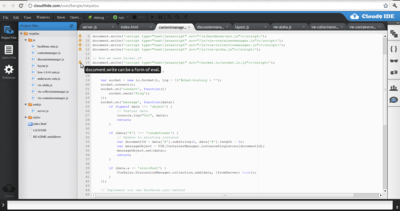
As I wrote in Better one file in the cloud than ten on the hard drive, when you mostly work on free software projects, then main frustration with a change of computer or a crashed harddrive is not lost files, but having to rebuild your development environment. The browser-based software development tool Cloud9IDE aims to solve that by moving the whole...
In the next-generation Midgard Content Repository we decided to focus on GObject Introspection for providing bindings to various programming languages like Python and JavaScript. The advantages for automatically generated bindings are quite obvious when compared to the situation with older Midgard versions where we had to maintain them manually. Unfortunately PHP didn't have GObject Introspection support, but that is about...
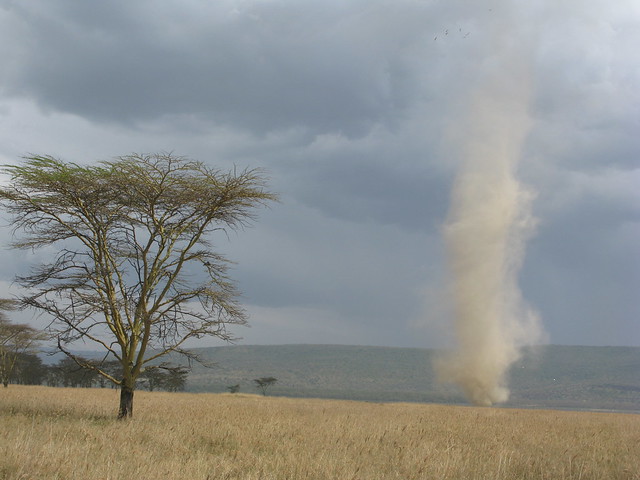
The Canonical Design team is again asking for wallpapers to be included in Ubuntu 11.04. Here are my submissions:
See also the wallpapers I originally submitted for Ubuntu 10.04.
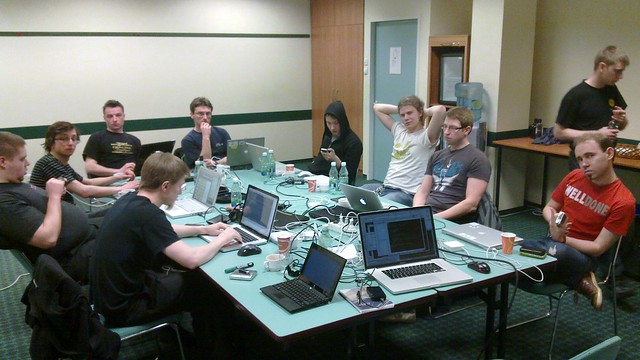
Wow, 2010 was quite a hectic year in the Midgard world. Here is a quick summary: We held three Midgard Gatherings: one in Lodz, Poland in April, one in Tampere, Finland in July and one in Gothenburg, Sweden in November. In April we announced the new directions of the project. The project completed a migration to Git (and GitHub) for...
Yesterday, after returning from a trip to Kenya, the hard drive on my old MacBook Air decided to die. Eventually I was able to recover most of it, but many files on my home directory were simply gone. But this isn't such a big problem, as everything of importance is anyway online, conforming with the Linus backup strategy: Backups are...

Midgard 10.12 was released last week as a developer preview of what is coming in the world of content repositories: MidgardCR 10.12 "Hrungnir" is a technology preview of the third generation of the Midgard Content Repository. It is released to allow developers to gain familiarity with the upcoming Midgard storage APIs and RDF storage. MidgardCR is available as a GObject-oriented...
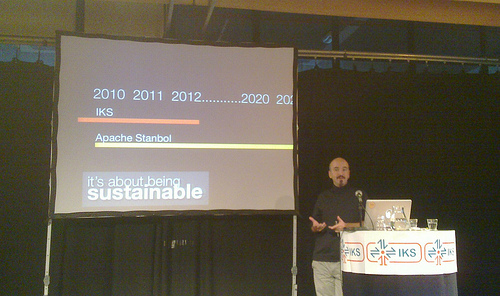
Snapshot from Bertrand's presentation in the Amsterdam IKS workshop: what does being an Apache project bring to the table? The answer is sustainability. IKS is an EU-funded project which will eventually end. Proper project governance handled together with the Apache Software Foundation can help the software to survive and thrive for long after that. Sustainability is something that is critical...
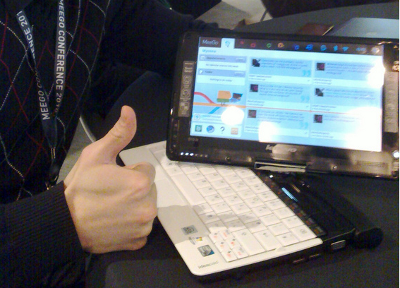
This week in MeeGo Conference all attendees received Lenovo S10-3t IdeaPad convertible netbook/tablet computers from Intel and Nokia. For many of us this was the first time we're actually using MeeGo on a device, and so I thought to post some notes on how it feels. IdeaPad hardware The IdeaPad looks and feels like a typical netbook: cheap plastic construction,...

This should be great news for developers who want to work with a content repository: Midgard2 just landed to Debian unstable. Note that it is not the classic Midgard CMS what we're talking about here, but instead the content repository / ORM library that the CMS is built on. Midgard2 is a content repository library written on top of the GNOME...
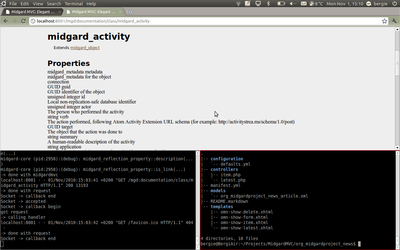
Last spring I wrote about the improvements in focus you get from single-tasking mobile and tablet environments where everything practically runs as full-screen. I quoted Om Malik: In many ways, the iPad's lack of multitasking ability makes it worthy of focusing on just the task at hand. In my brief usage of the device at the time of its unveiling,...
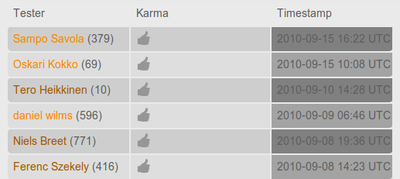
We had a session about application QA in last weekend's GSoC Mentor Summit. I explained how the Maemo Downloads approval process works in a completely open, crowdsourced way. This differs from many distributions where approval of new packages involves obscure decisions and secret handshakes. Some guidelines: Separate your core distribution and application packages Approval process should have three layers: development,...
Some days ago I ran into an interesting comment in a review of the Ubuntu 10.10, released yesterday: in an era where you can do 90 percent of your work through a browser window, Ubuntu needs polish, usability, compatibility, and a likable look and feel more than anything. With Windows 7, Microsoft's dominant OS is no longer the big, obvious...
Jos Poortvliet did an interview with me for dot KDE in this summer's aKademy and it has been online for a while now. In it we discuss things like Midgard as a storage engine for desktop applications, and Maemo's open QA process for Downloads applications. Some excepts: At maemo.org we have an appstore for FOSS applications on the Maemo platform....
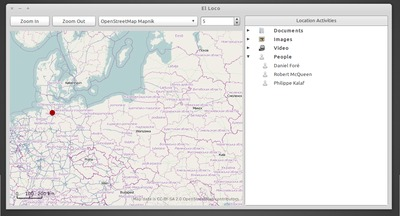
Zeitgeist, the desktop activity logging engine is now becoming geo-aware. From Seif Lotfy's blog: It allows you to ask Zeitgeist stuff like “Get me the recent files I edited at university” “Who do I contact most when I am at School?” “Which pictures did I take in Brazil?” “Where was I when an Email came in?” “What files did I...
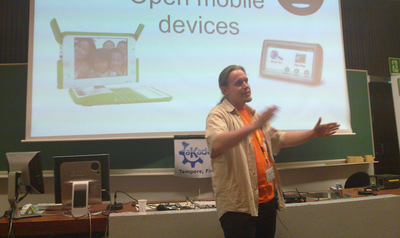
aKademy 2010 was hosted in the sunny city of Tampere by the Finnish Centre for Open Source Solutions, an organization that I'm a steering group member of. In addition to helping a bit with the arrangements and organizing the Midgard Gathering there, I also gave a talk about GeoClue, the positioning framework for Linux desktops. Presentation slides (PDF) Video of...
We tried to get the combined GUADEC and aKademy conferences to Tampere in 2009, but a warmer place unfortunately won. However, we will be hosting this year's aKademy so at least KDE and Qt fans will get to enjoy this beautiful northern industrial city. The main conference will be held at the Tampere University over the weekend, and then the...
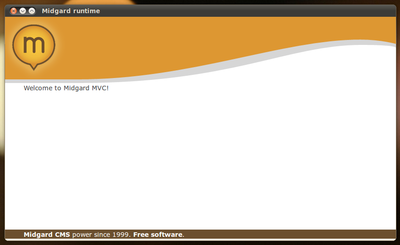
Midgard2 10.05.1 was released yesterday, bringing a long-waited feature finally to the Midgard installation packages: the Midgard Runtime. Midgard Runtime is an application that consists of a simple Qt WebKit viewer that, when run, starts a local Midgard web server on the background and connects to it. This means that you'll have the full Midgard MVC stack available on your...
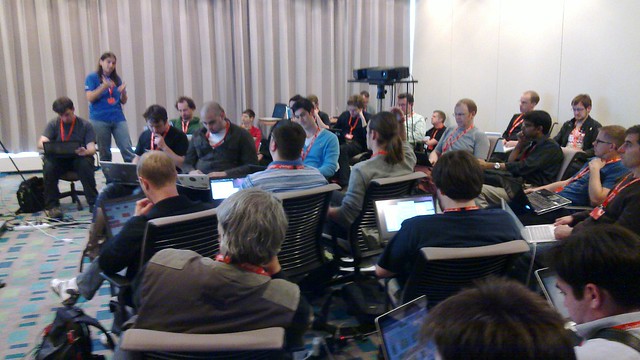
Last week was the Ubuntu Developer Summit targeted at planning how the next iteration of the operating system, Maverick Meerkat, targeted at a October 10th 2010 release, would look like. The event was held in a spa resort off in the countryside near Brussels. A place where the developers were comfortably separated from the busy towns by forests and country...

Midgard2 10.05 "Ratatoskr" was released yesterday, moving the Midgard Content Repository into long-term supported state as outlined in my recent post. Ratatoskr should provide a stable storage system for both desktop and mobile application developers. Web developers will also benefit from Midgard MVC, the PHP framework that already runs services like Qaiku.com. The release includes: Content Repository API bindings for the...
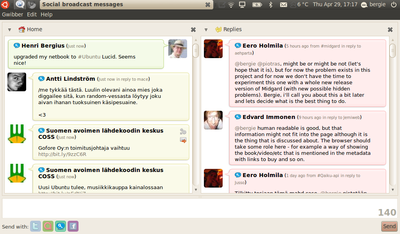
Ubuntu 10.04 LTS "Lucid Lynx" was released yesterday. Among other new features it includes the Me Menu, bringing your social networks right into the desktop. Qaiku, the Finnish conversational microblogging service is included: All in all, Lucid seems like a very smooth Linux desktop experience. I'm also happy other changes we've pushed for like PHP 5.3 are included. Maybe in the...
Two weeks ago we had the Midgard Gathering in Poland, and some big decisions were made there. I've been meaning to blog about them, but the volcano eruption in Iceland kept me busy by providing an interesting trip through New York and Moscow. Midgard2 The next Midgard2 release, 10.05 "Ratatoskr" will be a long-term support release, intended to provide a...

The past two weeks have been pretty hectic for me - Midgard Gathering in Poland, some meetings in Berlin, and the Linux Collaboration Summit in San Francisco. And then, thanks to the Eyjafjallajökull eruption in Iceland and the resulting flight cancellations, the trip back became a little bit more complicated. My original KLM flight on April 17th was cancelled, and...
One of the key complaints about iPad has been its lack of multitasking. With it you can only run one application at a time, though music for example will still continue to play while you work. This is not how computers have traditionally worked, but it may not only be a bad thing. Om Malik notes: In many ways, the...
After a long hiatus there was a new GeoClue release 0.12 last week. GeoClue is a D-Bus service that Linux applications can use to obtain user's current position and convert between human-readable addresses and coordinates. As location-aware services are becoming more important and computers more mobile the free desktops should also be aware of where they are. Dadadi Blog writes:...
I'm doing a talk today in the Bossa Conference about using Midgard as a content repository for mobile applications. As part of my presentation I wrote some simple example code for using the Midgard APIs in Python, and thought they would be good to share to those not attending the event as well. The idea of a content repository is...
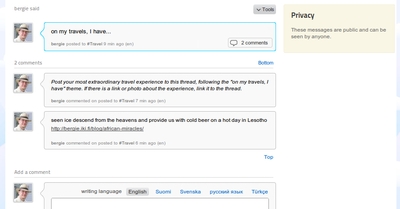
Qaiku, the conversational microblogging service that launched a year ago had a refresh that launched today. While it hasn't yet convinced the twittering masses, it has already proven itself as a lot more thoughtful platform for the Finnish online community, and as a valuable workstreaming tool. The new version looks quite nice and fresh. Notice the privacy information on the...
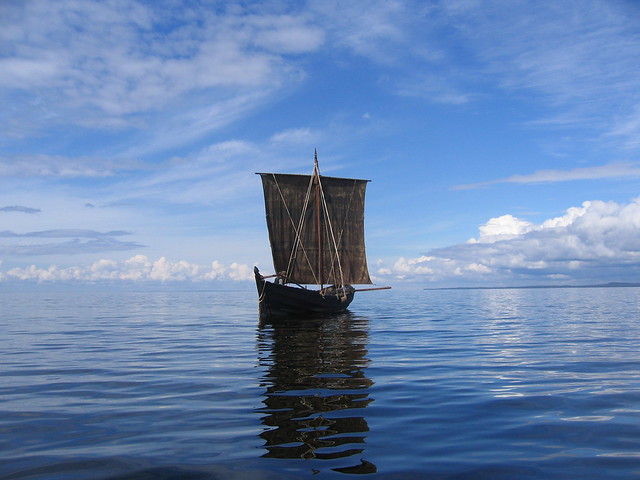
Ubuntu 10.04 "Lucid Lynx" is coming and they're looking for suitable wallpapers. I made some submissions and was pretty happy to see one of them in the Top 15 wallpapers for Ubuntu Lucid post:
Here are some other submissions I made:

Bossa Conference, an event about mobile development with free software technologies will be held on March 7th-10th in Manaus, Brazil. This year I'm speaking about using Midgard as a replicated storage layer in mobile applications, with examples for multiple programming languages and toolkits. The idea behind the Midgard content repository is that instead of coming up with your own file formats you can...

Nokia's Maemo and Intel's Moblin are merging to form MeeGo, a development environment for a new class of internet-connected devices ranging from smartphones through netbooks to TV sets. This may be finally what provides the free software world with a consistent and modern alternative to the iPhones and iPads that the proprietary world has come up with, the "magical user...
Apple iPad is certainly interesting. It seeks to challenge the concept of PCs by providing something that is at the same time more personal, and a lot easier to use. The personal computer of the future. Gone is difficult file organization - instead, applications use their own purpose-build content repositories. Instead of seeking software from many places, all of it...
There certainly is a lot of buzz about Apple's rumored Tablet product. Daring Fireball writes: If you’re thinking The Tablet is just a big iPhone, or just Apple’s take on the e-reader, or just a media player, or just anything, I say you’re thinking too small — the equivalent of thinking that the iPhone was going to be just a...

2009 was a pretty active year for the Midgard content repository project, and so it is good to take a look at some of the highlights: Midgard2 finally became a reality, bringing us a fully legacy-free modern Midgard implementation. There were two releases: 9.03 Vinland and 9.09 Mjolnir. Midgard2 works just fine also in desktop applications and mobile devices like...
Joint post of Henri Bergius and Michael Marth cross-posted here and here. Web Content Repositories are more than just plain old relational databases. In fact, the requirements that arise when managing web content have led to a class of content repository implementations that are comparable on a conceptual level. During the IKS community workshop in Rome we got together to...

Mjolnir, the new major release of Midgard2 Content Repository is now out. Named after the hammer of Thor, this release finally provides a real content repository that can be used by both desktop and web application developers. In addition to being a GObject-powered content repository for PHP, Python and Objective-C, the Mjolnir release provides several significant goodies on top of...
Chris Messina has a pretty good story comparing Apple's Magic Mouse and the recently announced OpenOfficeMouse that was targeted to power users of OpenOffice.org: At base, these products represent two polar opposite ends of the spectrum: Apple prefers to hide complexity within the technology whereas the open source approach puts the complexity on the surface of the device in order...
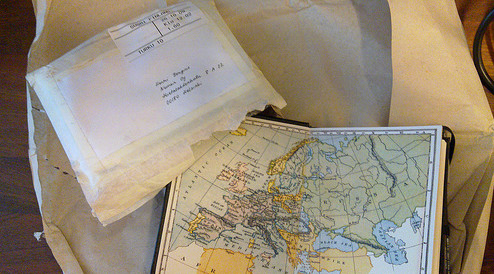
When returning from lunch today I found a package on my office desk. The handwriting on the envelope looked familiar from pictures I had seen on Qaiku before, so it was clear: I had received my own mystery book: Mystery books have been received by many prominent Qaiku members before. They are beautifully handcrafted notebooks personalized for the recipient, often...
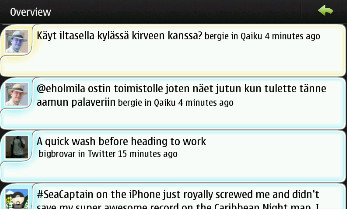
Microfeed is a new D-Bus service for handling status updating and microblogging entries from various services. Just like Telepathy allows various applications to utilize instant messaging connections, Microfeed does the same for microblogging: Microfeed is a specification and a reference implementation of client-server architecture providing access to various information sources that have a feed-type interface. Examples of those feed sources...
Fake Steve Jobs on the Trouble with Android: Um, hello? Folks, the whole point of doing open-source code is to let it fork. The idea is to accelerate evolution by encouraging weird mutations. Creating an open source program and hoping it won't fork is like decorating your house with a zillion Christmas lights and a forty-foot inflatable Santa and hoping...
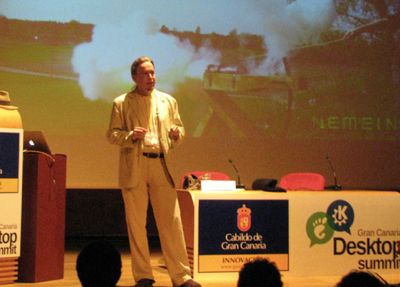
After a brief summer motorcycling break the fall is shaping up to be quite full with conferences. Here is the current list: September 30th - October 1st: OpenMind and MindTrek in Tampere, Finland I'll give a talk about the Midgard project and how our company has evolved together with it. In addition Linux-tekijä awards, where I was in the awards...

Like many years before, it is again time to head out on a motorcycle trip. This time we're traveling together with Suski on my old Triumph Legend, the bike that has taken me around Europe and the Black Sea, and has been out of commission for last three years. But now it runs again. Tonight we're taking the ferry to...
MDK laments the demise of the simple file in the onslaught of storage services: Sure, the applications still give you a way to share things and take them out of the storage. You can export a contact out of your address book as a vcard file. But the role of The File here is slowly being reduced to a role...
Why can't we concentrate? is an excellent book review about Rapt on Salon: "Immersing myself in a book or a lengthy article used to be easy," he wrote. "Now my concentration often starts to drift after two or three pages. I get fidgety, lose the thread, begin looking for something else to do. I feel as if I'm always dragging...
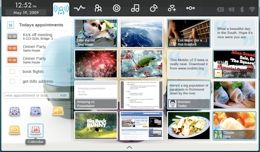
Discussing Google's yet-vaporware Chrome OS, Daring Fireball said: Early versions of Gnome and KDE were pretty much just clones of the Microsoft Windows UI. They’ve diverged since then, and I’d say Ubuntu’s default Gnome desktop is in most ways better from a design and usability standpoint than Windows Vista. But it’s still fundamentally a clone of Windows — menu bars...
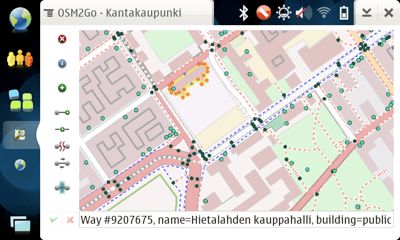
Today in the State of the Map conference I gave a lightning talk introducing Till Harbaum's OSM2Go, a wonderfully simple tool for contributing to OpenStreetMap. If you want to contribute to a freely available map of the world, download OSM2Go to your tablet and start mapping! My slides are available on SlideShare. See also my Qaiku notes for SoTM day...
I gave my Midgard2: Content repository for desktop and the web talk yesterday in GCDS. The slides are available on SlideShare. The main idea was that any application that deals with structured data could benefit from using a content repository like Midgard2 or CouchDB. So, what is a content repository? It is a service that sits between an application and...

Yesterday in GCDS there was a session about personal passions. First Jono Bacon gave a talk about the Burnout Cycle, and then various community members talked about what they do outside the sphere of hacking: running, cooking, building experimental airplanes and so forth. I gave a quick talk about adventure motorcycling, speaking about my 2004 trip around the Black Sea,...
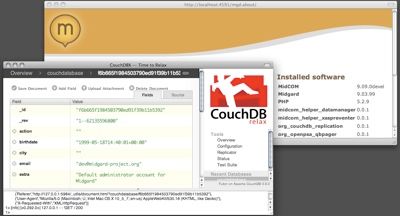
CouchDb is a really cool document-oriented map/reduce database that is nowadays an Apache project. Previously we created the distributed CRM application Ajatus on top of the system and ported CouchDb to Maemo. Here in Gran Canaria Desktop Summit CouchDb has been somewhat a hot topic, as the Ubuntu project is planning to use it as the content repository for desktop...
Dave Neary summed this up well: ...I fundamentally disagree with discouraging someone from pursuing a technology choice because of the threat of patents. In this particular case, the law is an ass. The patent system in the United States is out of control and dysfunctional, and it is bringing the rest of the world down with it. The time has...
Qaiku's twitter-like API has been one of the first major contributions I've made to the project, and it is great to see some first applications start to use it. Here are some examples: Mauku is a microblogging client for Maemo. The new Fremantle version supports Qaiku nicely: Gwibber is a Linux desktop microblogging client. Qaiku support is now available in...
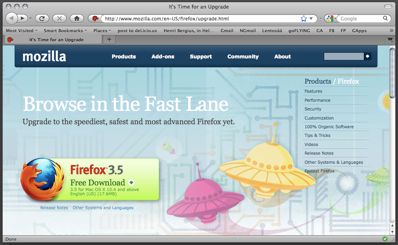
Firefox 3.5, the latest version of the best desktop browser was released yesterday. Upgrade now, and you'll get cool new features like browser geolocation and native HTML5 video support, not to mention much faster javascript. With both Firefox 3.5 and iPhone OS 3.0 out, a significant number of browsers suddenly have geolocation support. It will be interesting to see how...

Today I ran into the Open Collaboration Services API, planned as the vendor-neutral specification for Social Desktop services: Core idea of the Social Desktop is to connect to your peers in the community, making sharing and exchanging knowledge easier to integrate into applications and the desktop itself. The concept behind the Social Desktop is to bring the power of online...
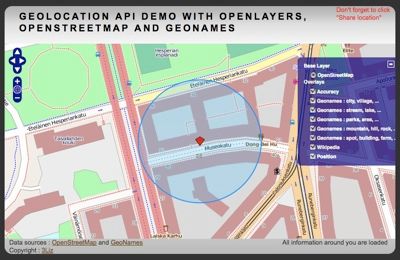
In our various GeoClue presentations we've been arguing that location comes in many flavors, of which GPS is only one. In many cases cell tower position or even WiFi connection can provide quite "good enough" location. On Mozilla Hacks they write about an OpenStreetMap-based browser location demo. I'd say the results are quite convincing: This is just a gentle reminder...
Quite a good blog post from the security expert: The old timesharing model arose because computers were expensive and hard to maintain. Modern computers and networks are drastically cheaper, but they're still hard to maintain. As networks have become faster, it is again easier to have someone else do the hard work. Computing has become more of a utility; users...
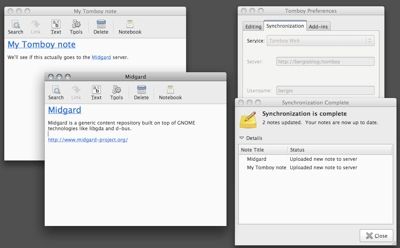
Some very interesting developments in desktop wiki land: Tomboy, the popular note-taking application for GNOME and OS X now supports web synchronization. The developers of Tomboy have launched Snowy, a web service that allows you to synchronize and access your notes online. As the API is documented, I decided to add support for it in Midgard too. This way the...
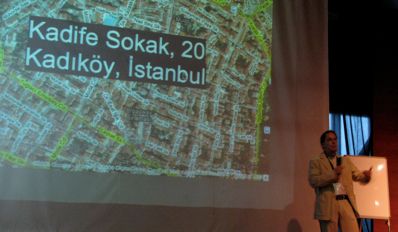
GUADEC will be arranged this year together with aKademy as the Gran Canaria Desktop Summit on July 3rd - 11th. The event will be an excellent opportunity to learn about some new technologies for the Linux desktop: GeoClue and libchamplain presentation (Sunday morning):GeoClue is the position information service, and libchamplain is a very nice Clutter map widget. Together they provide...

After the long wait, Midgard2 was today released to the world. This marks a big change in the scope of what Midgard is. Instead of building a CMS, we've built a generic content repository that can be utilized in web, mobile and desktop applications. As MDK wrote when announcing the Objective-C bindings for Midgard: ...it provides an objectified view to...
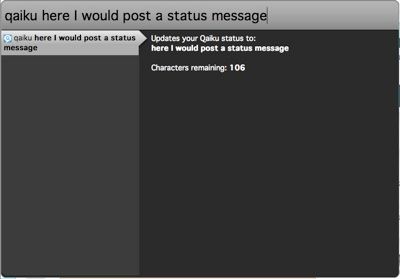
This Friday Rohea launched a visual and feature refresh of Qaiku, the conversation-oriented microblogging service. As part of the refresh some early APIs also landed, together with Ubiquity command for posting Qaikus. If you have Mozilla Ubiquity installed, this is what you will see on the site: When you install it, Alt-Space will be a fast shortcut for Qaikuing: More...
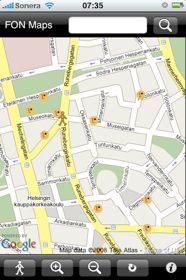
FON is a shared WiFi service. Couple of years ago they gave their routers for free in Finland, and since then I've been sharing my home connection with other FON users. And occasionally I've even roamed using FON connectivity provided by other users, using Devicescape to log my Internet Tablet automatically to the network. Now FON has released Fonera 2.0,...
CloudAve reviews the CrunchPad browsing device, and concludes that these days, a single computer is just not enough for all our needs: A tablet for lazy surfing, a netbook for travel, an iPhone for when we don’t even want to carry that much, a full laptop for everyday work, and even a full desktop as the multimedia workhorse: at these...
Today was a home day, perfect for doing some reading. And one of the things I read was the 2004 refresh of Neal Stephenson's In the Beginning was the Command Line. The commentary included following passage, which immediately rang a bell: New users of Linux are almost always exposed to it through a member of the userbase, insuring that they...
Midgard2, the content repository for multiple programming languages that we've all waited for so long is now in beta stage, and some services like Qaiku and St1 ReFuel already run on top of it. To get you started, here are some of the best Midgard2 blog posts out there: Midgard 2: More than just PHP, more than just CMS -...
Last night Finnish energy company St1 launched ReFuel, their new biofuel product. ReFuel is interesting in the sense that it is produced from biowaste, and so no farmland is used in its production. To support the product launch we helped to create ReFuel Tehdas, an application for converting internet trash (bad pictures, advertisement banners) into money. To use it, you...
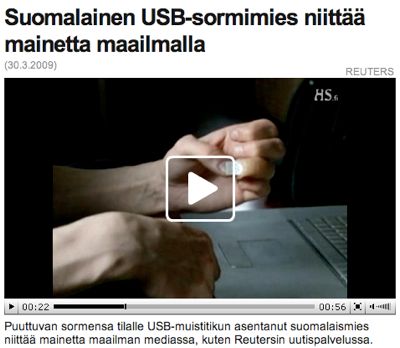
The tale of Jerry's prosthetic USB finger continues. Helsingin Sanomat has posted the recent Reuters interview video with him:
While the hs.fi site is in Finnish, the interview video is in English.
Technorati Tags: video, usb
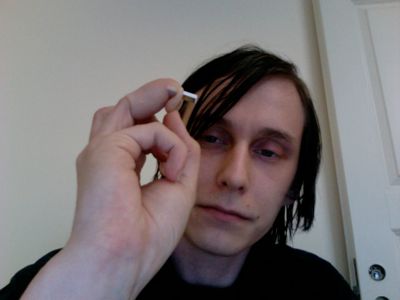
Yanko Design's You-SB concept: Jerry's real prosthetic USB finger storage: The story behind this is that Jerry had a motorcycle accident last May and lost a finger. When the doctor working on the artificial finger heard he is a hacker, the immediate suggestion was to embed a USB "finger drive" to the design. Now he carries a Billix Linux distribution...
To make the GNOME desktop more user-friendly we should utilize context information in more places. And now that laptops are becoming more and more mobile, location is one important part of that context. For that, we developed GeoClue, the location framework that is in incubation for GNOME Mobile. Today I was talking with a student who wants to work on...
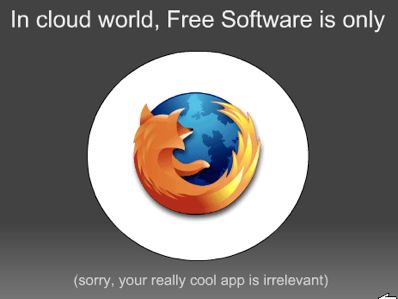
Benjamin Otte is asking on Planet GNOME why the GNOME desktop doesn't do more to integrate with the cloud. He reasons that: ...GNOME developers are not “web-enabled”. We’re a bit like Microsoft in the early 90s: We focus on the local computer and ignore the internet. which, to my experience is somewhat true. I went to GUADEC for the first...
Good work, Debian Project: Debian GNU/Linux 5.0 is released! As Midgard release manager Piotras wrote in his Jaiku: debian Lenny (5.0) is out. It means vinland will run on stable debian. It means we have php5-xcache in stable debian, we have solr in stable debian. It means we can think about Midgard in official 'squeeze' (debian testing) Big step indeed,...
Ars Technica has a nice introductory article about GeoClue: A multitude of factors are contributing to a mobile computing renaissance. Some of these factors include the growing availability of ubiquitous mobile Internet connectivity and the rising popularity of netbooks and other Internet-enabled small form-factor devices. These changes are inspiring a renewed interest in location-aware software and web services. A framework...
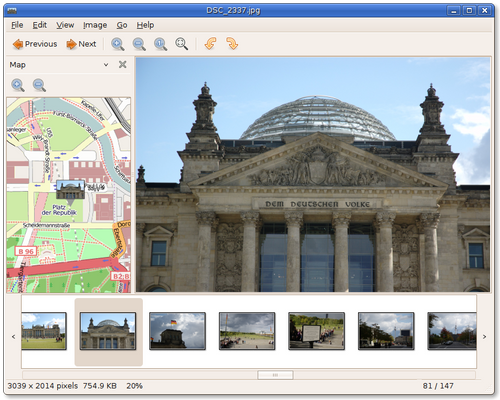
FOSDEM, held in Brussels on Feb 7th and 8th, is the most important free software event of the year in Europe. While I'm going to Poland instead of there this time, the event is an excellent opportunity to learn more about two projects I'm involved with: Midgard and a replicated P2P filesystem Sun Feb 8th 2009 at 16:20, Room Ferrer...
As it was for the Zend folks, 2008 was quite a busy year also in the Midgard-land. I think the last time there was so much activity and energy in the project must've been sometime in the early days. Here are some highlights from it: Midgard 2: finally a reality The big news of 2008 was that Midgard 2, the...
Prompted by a recent COSS news release, I thought to write about two Summer of Code success stories: In addition to Google's Summer of Code, the Finnish Centre for Open Source Solutions (COSS) runs a localized version called Kesäkoodi. One of this year's projects was adding 3G configuration support for the GNOME Network Manager. This feature made it to Ubuntu...
JP Rangaswami is writing about how innovation should happen as a dialogue between the developers and the users of the product. As an example of how innovation used to happen, he dug up Henry Ford's early automobiles and assembly lines. With these early Fords, the customer choice was limited to having your car "in any color as long as it...
From the Midgard Project: The Midgard Project switched to a new synchronized release model with the 8.09 "Ragnaroek LTS" release. Synchronized release model means that a major release of Midgard will happen every six months, tuned to be part of the larger Linux software ecosystem as described by Mark Shuttleworth: WHAT IF you knew that the next long-term supported releases...
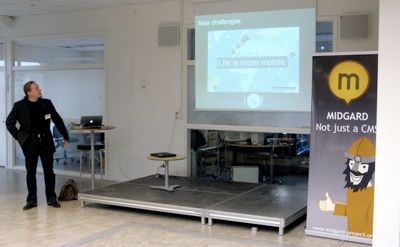
Last weekend we went to the Free Society Conference and Nordic Summit in Gothenburg to talk a bit about the new direction Midgard has been taking: making it a general replicated persistent storage library for multiple programming languages. The CMS itself is just an application using the library. The basic idea is that the cloud is a trap that will...
Let me share a little piece of Internet happiness: When I got my iPhone, I wondered how could its web browser be so dramatically faster than the one on my N810. Could it be just that iPhone has faster processor, and uses WebKit instead of Mozilla? But at the same time, the state-of-the-art Firefox 3 on my MacBook Air was...
FSCONS is the main Nordic conference on free software and free culture, held on October 24th - 26th in Gothenburg, Sweden. The schedule has lots of interesting stuff, including Wikipedia, Embedded Qt, OpenStreetMap and Jabber. But in addition, there will be two sessions on Midgard: Midgard by Henri Bergius: I will be talking about this long-term open source CMS project...

As seen on Planet GNOME: Take a picture of yourself right now. Don’t change your clothes, don’t fix your hair…just take a picture. Post that picture with NO editing. Post these instructions with your picture. My picture was taken with Photo Booth in the Saha Haedong Kumdo dojang in Busan, Korea after a bamboo cutting seminar. I'm here for the...
Midgard follows Ubuntu's synchronized release schedule, and releases packages for that platform, but otherwise we have little to do with the distribution. Still, I found the following in Mark Shuttleworth's Jaunty Jackalope announcement interesting: Another goal is the the blurring of web services and desktop applications. "Is it a deer? Is it a bunny? Or is it a weblication -...

Cross-posting this to Planet GNOME, as it is sure to be interesting to the community there, especially as Midgard is becoming much more than just CMS: There is a project in works by me to rewrite Midgard’s core engine from plain C to Vala. Midgard 8.09’s code is taking huge use of GObject infrastructure and Vala is so good in...

A thousand years ago, men from my lands traveled here in search of opportunities and adventure. Now, due to intercontinental relationships and working permits, I follow their footsteps. While Istanbul didn't score perfectly in Monocle's Quality of Life index, I still find it a quite appealing place for a web worker. The lifestyle is more relaxed than in the north,...
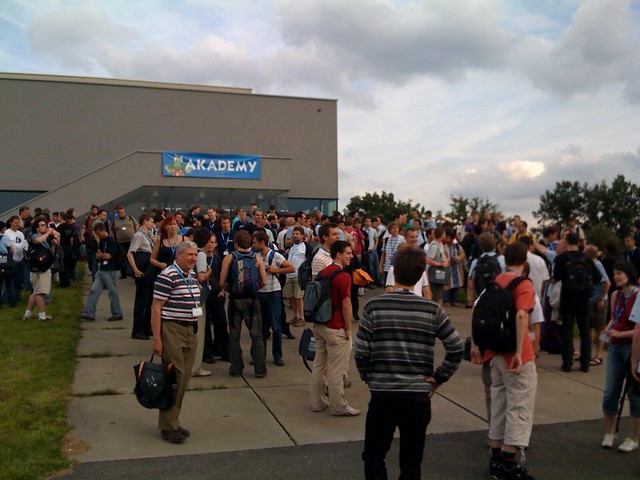
I'm currently in aKademy, the KDE conference, talking about adding the geographical context into the Linux desktop. GeoClue, our solution to this problem is built to be desktop-agnostic service, and therefore the same talk has been held in both GUADEC and aKademy. Here are some notes from the conference: There was quite a good amount of interest in GeoClue. Both...

At the moment the prevailing wisdom is that each CMS should have its own user interface, and that user interface should be web-based. But there is also another way: separating the user interface from the CMS using a CMS-neutral protocol called Neutron. According to Sir Tim Berners-Lee, the earliest web browser was also an editor. And the late 90s Netscape...
ETech 2009, the O'Reilly conference on emerging technologies now has a call for papers. Here is my proposal for the "Nomadism & Shedworking" track: The recent direction of business applications has been centralization to web-based systems, easing deployment, upgrades and management of application security. However, at same time centralization provides new risks like the introduction of a single point of...

I've posted about new directions needed for Midgard's release coordination and marketing. After some discussion, I think it is time to vote and make decisions. The proposal is to switch to synchronized releases. This would make development more predictable, marketing efforts clearer and more focused, and align us with the release synchronicity movement implemented in related projects like GNOME and...
Looks like 2008 is forming up to be a quite busy conference year, at least looking at my Dopplr page. Here are the events I'm speaking (or performing as is the case with Haedong Kumdo) in this fall: Aug 2nd: Haedong Kumdo Seminar in Mayo, Ireland: part of the Finnish team Aug 9th - 10th: aKademy in Sint-Katelijne-Waver, Belgium: Location-aware...
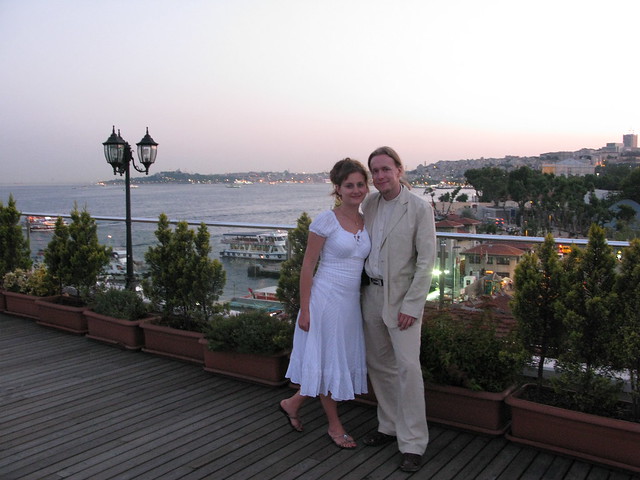
Earlier this month we went to GUADEC 2008 to give a talk on GeoClue and geo-information frameworks for mobile Linux desktops. Quite good fun, especially the Bosphorus cruise!
After the conference we continued vacationing in south Turkey, scootering to the ruins of Ephesus and taking a yacht cruise from Fethiye to Olympos.
More photos on Flickr.

Hi, all! My blog's desktop feed has recently been added to Planet GNOME, and so here is a quick introduction: My name is Henri Bergius and I am a free software hacker focused on things like the Midgard framework and some location-aware applications for desktop and mobile. I work at Nemein, a small Finnish CMS consultancy building stuff on top...
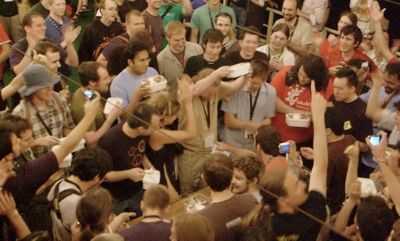
While Tampere was lost, we won't return from GUADEC without any medals: I won the ice cream deathmatch held during the Collabora boat party on Bosphorus. From Vincent Untz: We of course had the Ice Cream Deathmatch. So, it seems people thought it was all about speed, while really it's all about enjoying :-) On the other hand, Henri Bergius...
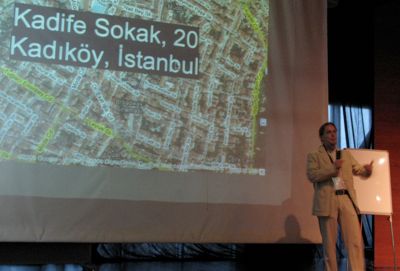
GUADEC is held in Istanbul this year, and as has been the custom in 2006 and 2007, I again came there to discuss making the Linux desktop location aware. This year I gave the "GeoClue and Gypsy - geo-information frameworks for mobile Linux desktops" talk together with Jussi Kukkonen and Iain Holmes. With Linux devices hitting more and more pockets...

On Planet GNOME I can see lots of people have already arrived to Istanbul for next week's GUADEC conference. I'm also flying there on Tuesday. On Wednesday Jussi Kukkonen, Iain Holmes and I will be talking about location-aware applications with GeoClue and Gypsy at 3:30pm in X-Large. In preparation for the talk, be sure to check out my GeoClue slides...
The Firefox 3 Download Day started yesterday at 18:16 UTC, and so there are still 10 hours remaining to download the browser. Originally the download day had 1.5 million download pledges, but it seems that since then the download count has by far exceeded the expectations of the Mozilla team: at moment the download counter shows over five million downloads....

GUADEC and aKademy will possibly be arranged together in 2009. As the events are looking for a venue, we at COSS (Centre for Open Source Solutions Finland) decided to apply to have the events in Tampere, Finland. Tampere is an old industrial city situated between two lakes. It has quite good flight connections (including Ryanair) to Europe, and fast rail...
Andy Wingo is writing about how he feels the GNOME project is in a state of decadence: The problem, as I see it, is that GNOME is in a state of decadence -- we largely achieved what we set out to achieve, insofar as it was possible. Now our hands are full with dealing with entropic decay. Take, for example,...
I've been using various Firefox 3 test builds since winter for production and I have to say things look really good. Soon it will be released, and then there will be a Download Day with attempt for a Guinness World Record.
Go and pledge to join !
Technorati Tags: firefox
This meme seems to be running again: Compass:~ bergie$ history|awk '{print $2}'|awk 'BEGIN {FS="|"} {print $1}'|sort|uniq -c | sort -nr |head -n 10 209 git 47 svn 30 cd 24 sudo 24 phing 18 ssh 16 ls 13 vi 12 ~/ajatus_ssh_replicate 12 scp Interesting to see how the stats have changed in one and half years. Main changes are due...
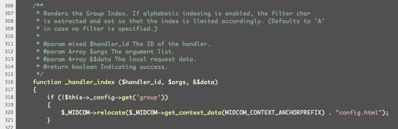
In my company we're using the SubEthaEdit collaborative editor for our development work. It is nice to be able to share editing sessions when pair programming, or just showing a particular solution to a colleague. Yesterday's del.icio.us popular alerted me to the Zenburn color scheme for programmers. It is a quite nice low-contrast color scheme developed by Jani Nurminen. To...
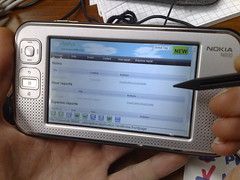
Nokia’s Linux-based internet tablet was Amazon’s best selling computer in 2007, and top 3 personal computer in holiday sales. Congratulations to the maemo team!
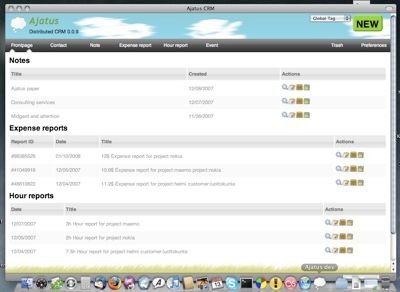
Ajatus, our new distributed CRM app is evolving very quickly. For example, this week we got form validation and auto-saving support, and there has been talk of supporting binary file attachments.
Simon Josefsson was giving a talk on OpenID in the Scandinavian Free Software Conference. OpenID is a lightweight single sign-on and auto-registration system for web applications. In concept it is quite similar to Shibboleth but easier to deploy.
Like probably everybody else, I’ve been quite lazy taking backups. Through the Linus backup philosophy this hasn’t been so bad: my code is in various repositories and my photos are on Flickr. But when a hard drive died on me last year, a bunch of small things were still lost.

Last weekend and this week I’ve been off to State of the Map in Manchester and GUADEC in Birmingham to speak about the GeoClue project with Andrew Turner and Tuomas Kuosmanen.
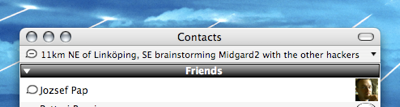
Firefox 2 provides an useful feature called Microsummaries. Microsummaries enable users' bookmark labels to get automatically updated based on data on the site. This site provides my Plazes location and latest Twitter message as a microsummary: Before this I've been using a script to populate my Plazes location to the Adium instant messaging status, but now I though the combination...
The City of Helsinki, despite some of its failings, is also doing some cool stuff. Examples include promotion of greener rail traffic, and increasing number of free WiFi hotspots. So far these have been stationary, but now Helsinki City Transport is piloting WiFi in buses and trams. Helsingin Sanomat reports: Some Helsinki buses and trams will deploy wireless internet access...
The hard drive of my MacBook died today, meaning that I will be without a development box for at least some days. In the meanwhile my 770 will act as the main computer making me at least available via Jabber. Will be interesting experiment on the capabilities of the little handheld. Accordingly, this entry was written with Maemo Blog. Time...
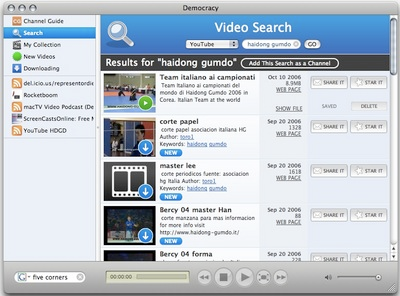
I’ve just upgraded to the latest Democracy Player “Internet TV” version:
I’ve today upgraded the Midgard development environment on my MacBook to a more reasonable software setup:
I love the idea of including a “View Source” key into the OLPC keyboard:
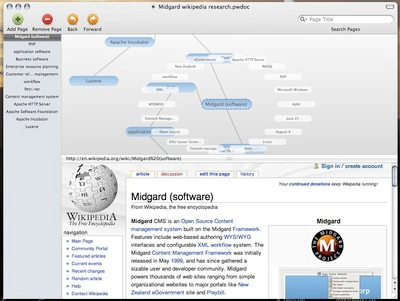
Pathway is an OS X desktop client for the Wikipedia, the free encyclopedia. It keeps track of relations between pages you read using a handy network map, and makes them searchable via Spotlight. It is also able to save the researched network of pages for later use.
Continuing with another blog meme, here is the list of top ten Unix shell commands from my MacBook development box

I’ve again gotten quite backlogged with publishing photos from various adventures. Today I fortunately had time to push tree sets on Flickr:
Two days and fifteen years ago, Linus Torvalds posted a message on comp.os.minix:
Midgard CMS differs architecturally quite much from the typical open source CMSs in that its core is written in C on top of the GLib library.
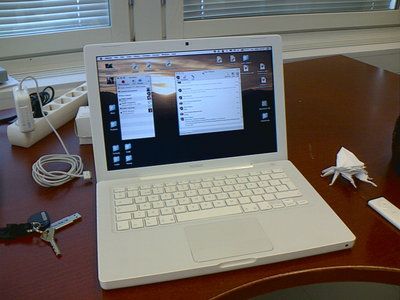
Since we have some new members in the team, it was time to grab some new Intel MacBooks. I also decided to switch and recycle my 12” PowerBook to another team member.
The mysterious collaborative feature of iCal hinted at the WWDC keynote seems to actually be CalDAV:
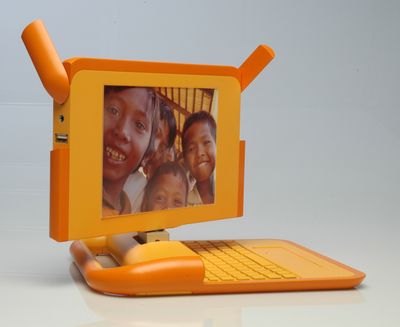
According to the DesktopLinux.com article, Nigeria, Brazil, Argentina, and Thailand have each now ordered a million 100$ laptops for use in education.
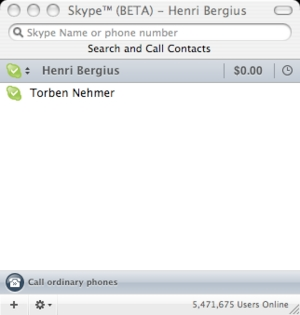
While I appreciate the fact that Gizmo uses open standards for internet telephony, and that it is available for my Nokia 770, it still has to be mentioned that its user interface has a lot to learn from the latest Skype beta. You just have to love the simple, purpose-driven UI:
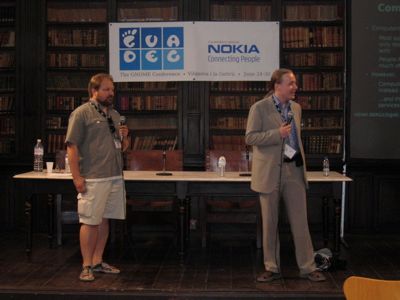
We held the Feeds, Synchronization and the Free Software Desktop talk with Tigert today. Despite the Fluendo party the night before, there was a quite good crowd in the old Museu Balaguer library.
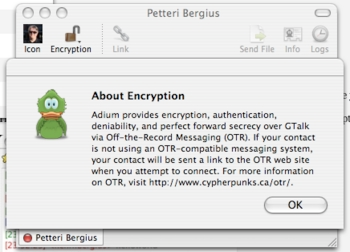
We have now been using Jabber and Psi for secure instant messaging with client and partners for some months. However, I haven’t been completely happy with this setup for several reasons:
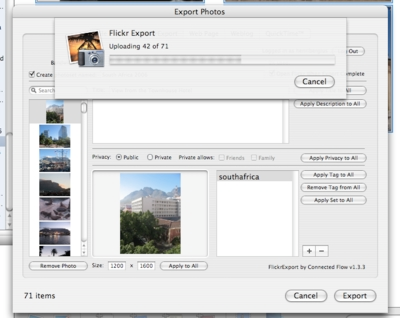
I’ve been totally swamped by the number of photos taken during the last eight months of travel, and am lagging badly behind on publishing the photos. To help sort things out, I’ve now registered a Flickr account.
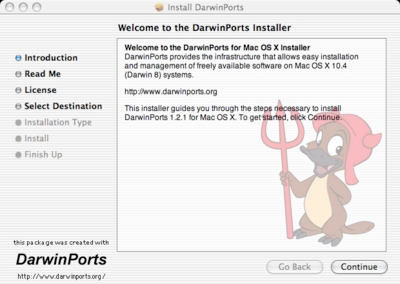
Thanks to Jyrki Wahlstedt there is now a new way to install Midgard CMS on a Mac: DarwinPorts.

This year’s GUADEC will be held in Catalonia on Jun 24th - 30th. We’ve left a proposal with Tuomas, so I hope I will be able to attend.
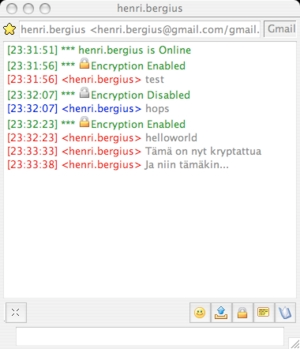
For quite a while we have been using IRC for instant messaging and company internal chat. IRC is handy for it, especially as we’ve been able to set up some bots to secure our own channels.
Every now and then iSync simply stops working. Apart from the other problems, I’m seeing a lot of “Unable to connect”.
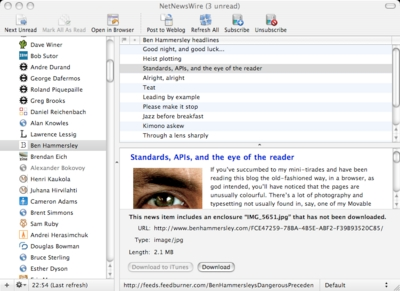
Ben Hammersley has gone to the iWeb side, making his blog image-only. Some commentation is available:
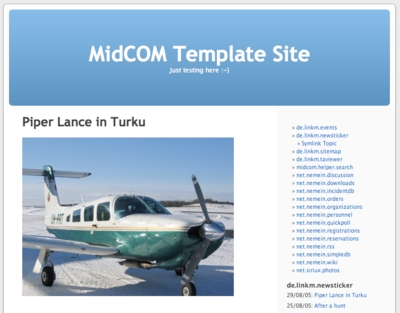
Camino is the Mozilla family browser tailored for Mac desktop. Version 1.0 was released on Feb 14th, and I’m now trying it as a new default browser to replace Firefox:
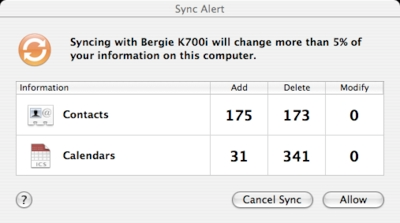
It seems Apple’s iSync and Sony-Ericsson phones are having a severe synchronization problem this month. Rambo had an alarming story:
Chris Shiflett has a list of Mac OS X Annoyances:
I’m using Apple’s iPhoto on my PowerBook to manage the thousands of travel pictures. Lately the application has become very slow and unstable, and I was already preparing mentally to switch to F-Spot. Because of this, I was happy to hear that the new iPhoto 6 supports managing over 250k photos in the archive.
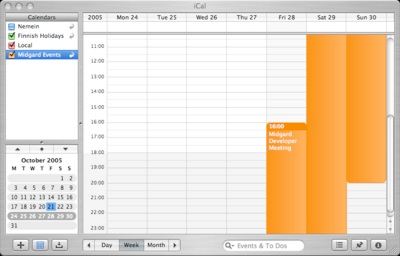
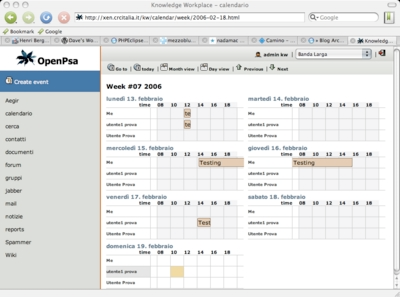
net.nemein.calendar is the new default calendar in Midgard CMS. It replaces the old de.linkm.events component with several clear advantages:
Photon, Jonathan Younger’s nice photoblogging plugin for iPhoto was released under LGPL last thursday. The tool officially supports Wordpress, MT, TypePad and Blojsom, but actually posts using the standard MetaWeblog API that Midgard also supports.
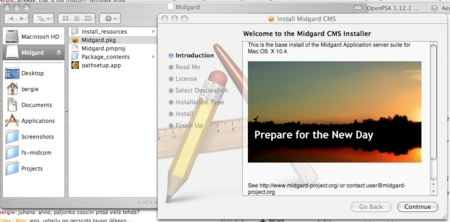
The Mac OS X packages of Midgard made by Robert Guerra were released on August 15th. Since then it has been listed by both VersionTracker and Download Squad. Six hundred people have already downloaded the 500 meg disk image containing both Midgard CMS 1.7 and Fink.
Kerttu needs a computer to accompany the Psion notepad for her biology studies. Since I didn't want to get a desktop system, I took one of the old company HP Omnibook 500 laptops and set up Linux on it. This gave me a perfect opportunity to try the new Ubuntu distribution. The first installation was a problem because the system...
Session notes from Linköping Midgard Gathering by Henri Kaukola. The problem of the Open Source desktop systems is that they are designed only for one user per time. There's very little information sharing. Integration between server software and desktop world is the key to Open Source world domination. Document management system must support WebDAVNews pages must provide RSS syndication and...
The Series 5 has two major advantages when compared to laptops: it is small and has a very long battery life. In addition, I happen to have a spare one lying around. We've used this palmtop previously for keeping the travel journals of two motorcycle trips, the 2002 European tour and the 2003 Russian tour. The journals were written using...

In addition, there is now a new promotional website, spreadfirefox.com in beta release. Spread the word. Upgrading both Firefox and Thunderbird from earlier releases went quite painlessly on my Mac OS X box. And now Thunderbird has a cool RSS reader so following my blog will be easier than ever ;-) Updated 2004-09-15 18:48: The Firefox upgrade actually had some...
The tutorial seems to solve the main problems I've had with OOo on my iBook, including keyboard mapping and PDF generation. What it doesn't help with, though, is the horribly slow start-up time.Another interestion option would be NeoOffice/J, a Java port of OpenOffice 1.0.3 that runs natively on Mac OS X. As an X11 server won't be needed the start-up...
New default theme for Mac OS X, Pinstripe looks quite nice, as does the new Thunderbird logo.The Mac OS X downloadable required some manual renaming before it worked, but it seems to be fixed now.What remains to be seen is if the new version fixes the broken Offline extension.
I posted some new background images