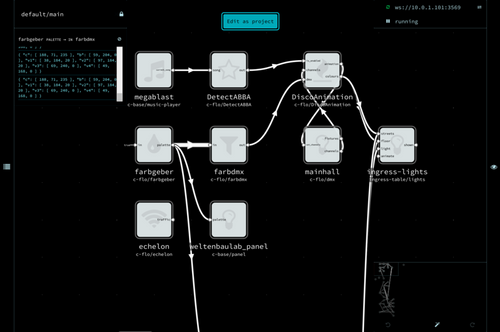
This July we’re organizing two hack weekends around MsgFlo and Flowhub:
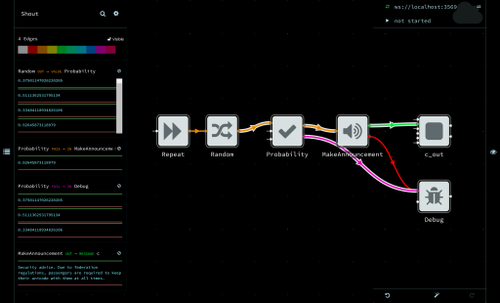
Quite a bit of time has passed since my two years of NoFlo post, and it is time to take another look at the state of the NoFlo ecosystem. To start with the basics, NoFlo is a JavaScript implementation of Flow-Based Programming:
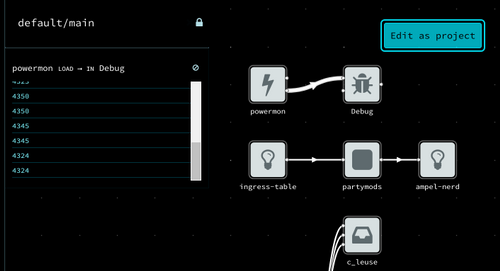
In Flowhub you can create and edit full flow-based programming projects. The live mode enables introspecting running FBP systems. This weekend we rolled out Flowhub 0.19 which makes it easy to move between these modes.
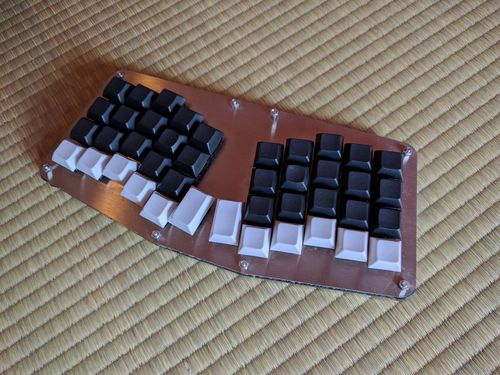
As mentioned in my Working on Android post, I’ve been using a mechanical keyboard for a couple of years now. Now that I work on Flowhub from home, it was a good time to re-evaluate the whole work setup. As far as regular keyboards go, the MiniLa was nice, but I wanted something more compact and ergonomic.
Microservices — an architectural pattern we recommended in our 2012 International PHP Conference keynote — is pretty popular these days. There are many benefits to consider:
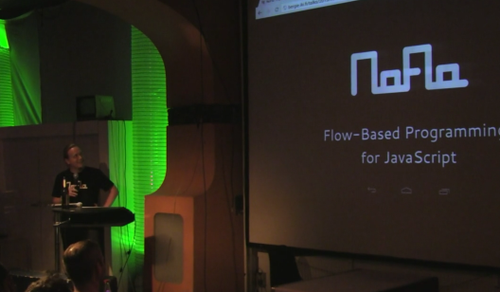
As I’m preparing for a NoFlo talk in Bulgaria Web Summit next week, I went through some older videos of my conference talks. Sadly a lot of the older ones are not online, but the ones I found I compiled in playlists:
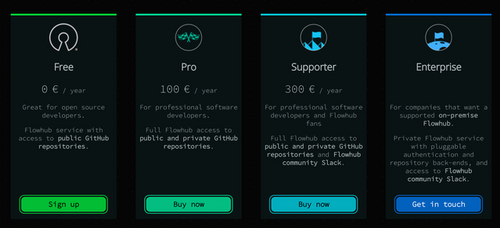
Flowhub — the product made possible by our successful NoFlo Kickstarter — has now its own company dedicated to supporting and improving the visual programming environment.
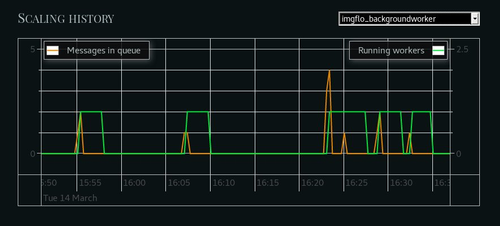
I’m happy to announce that GuvScale — our service for autoscaling Heroku background worker dynos — is now available in a public beta.
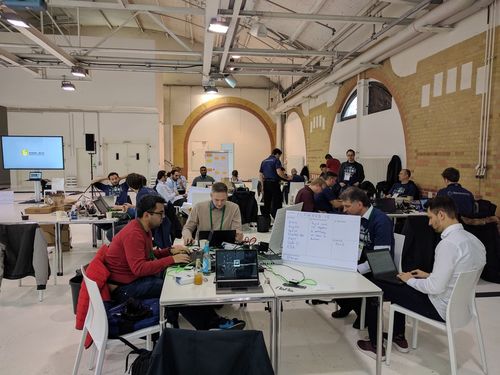
I’ve been attending the Bosch Connected Experience IoT hackathon this week at Station Berlin. Bosch brought a lot of different devices to the event, all connected to send telemetry to Eclipse Hono. To make them more discoverable, and enable rapid prototyping I decided to expose them all to Flowhub via the MsgFlo distributed FBP runtime.
It has always been easy to wrap existing JavaScript code into NoFlo graphs — just write a component that exposes its functionality via some ports.