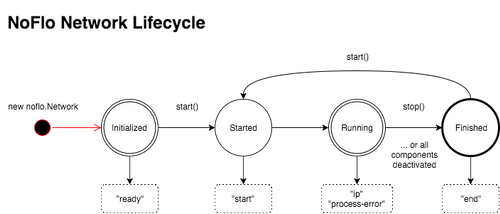
After several months of work, NoFlo 0.8 is finally out as a stable release. This release is important in that it brings the Process API for NoFlo components to general availability, paving way for the 1.x series.
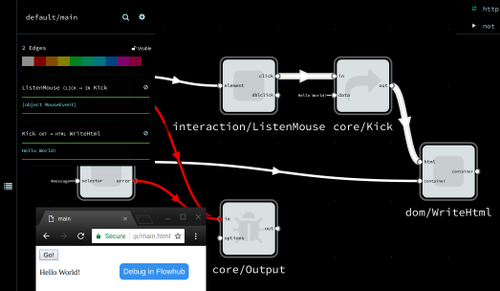
I was looking at some of the Stack Overflow noflo questions yesterday, and there were a few related to building NoFlo for the browser. This made me realize we haven’t really talked about the major change we made to browser builds recently: webpack.
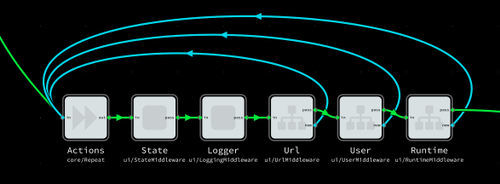
This post talks about some useful patterns for dataflow architecture in NoFlo web applications. We’re using these concepts to build Flowhub, the flow-based programming IDE.
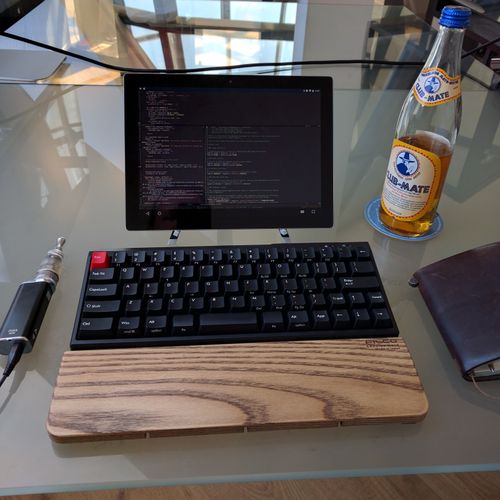
Back in 2013 I was working exclusively on an Android tablet. Then with the NoFlo Kickstarter I needed a device with a desktop browser. What followed were brief periods working on a Chromebook, on a 12” MacBook, and even an iPad Pro.
It has been a while that I’ve written about flow-based programming — but now that I’m putting most of my time to Flowhub things are moving really quickly.

As mentioned last year, I’m working on a Artificial Intelligence that can do web design. It is called The Grid. Last week I gave a talk at Lift Conference explaining how it all works.
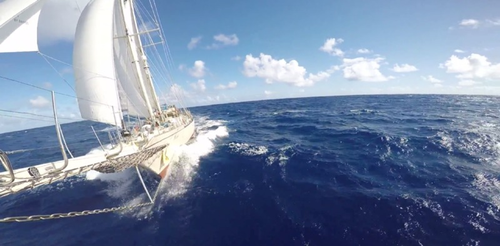
Exactly a year ago today we flew from Berlin to Tenerife to depart on a sailing trip across the Atlantic on the Finnish sail training schooner T/S Helena. The Grid had just reached 10.000 founding members, and it was time to charge batteries before the next big push towards the beta.
When I flew to Tenerife to sail across the Atlantic in late November, there was excitement in the air. Nemein — the software company I started in 2001 with Henri Hovi and Johannes Hentunen, and left later to build an AI-driven web publishing tool — was about to be sold.
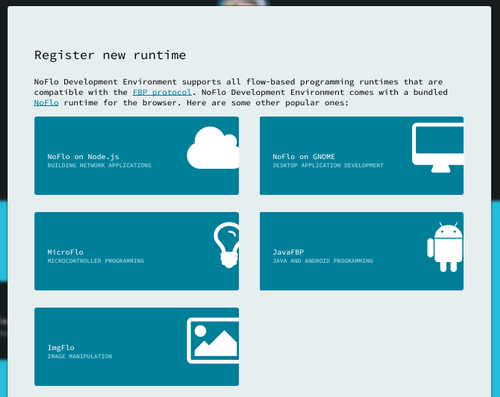
It is now a year since our NoFlo Development Environment Kickstarter got funded. Since then our team together with several open source contributors has been busy building the best possible user interface for Flow-Based Programming.
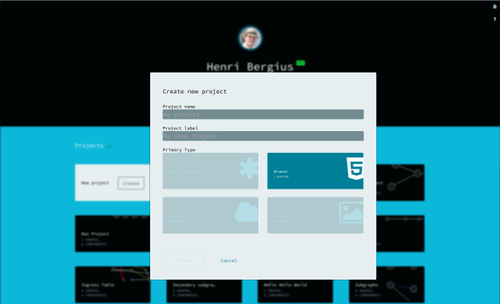
Today I’m happy to announce the public beta of the Flowhub interface for Flow-Based Programming. This is the latest step in the adventure that started with some UI sketching early last year, went through our successful Kickstarter — and now — thanks to our 1 205 backers, it is available to the public.