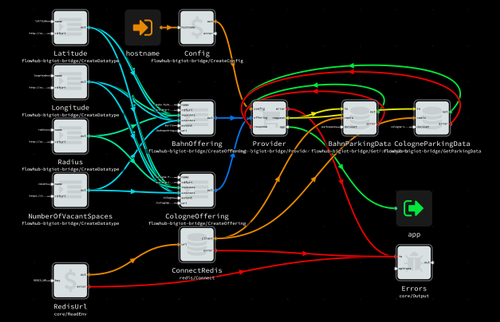
When building IoT systems, it is often useful to have access to data from the outside world to amend the information your sensors give you. For example, indoor temperature and energy usage measurements will be a lot more useful if there is information on the outside weather to correlate with.
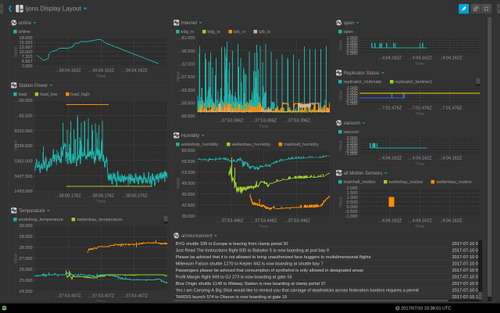
One important aspect of any Internet of Things setup is being able to collect and visualize data for analysis. Seeing trends in sensor readings over time can be useful for identifying problems, and for coming up with new ways to use the data.
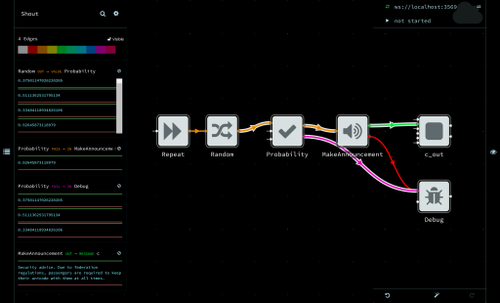
Quite a bit of time has passed since my two years of NoFlo post, and it is time to take another look at the state of the NoFlo ecosystem. To start with the basics, NoFlo is a JavaScript implementation of Flow-Based Programming:
Microservices — an architectural pattern we recommended in our 2012 International PHP Conference keynote — is pretty popular these days. There are many benefits to consider:
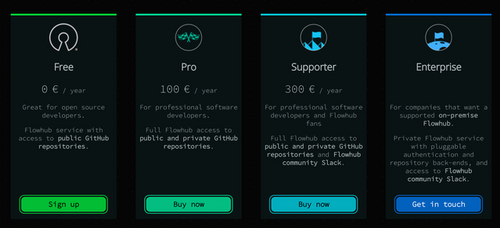
Flowhub — the product made possible by our successful NoFlo Kickstarter — has now its own company dedicated to supporting and improving the visual programming environment.
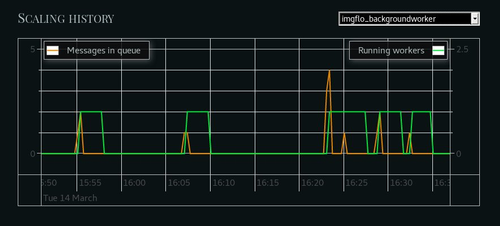
I’m happy to announce that GuvScale — our service for autoscaling Heroku background worker dynos — is now available in a public beta.
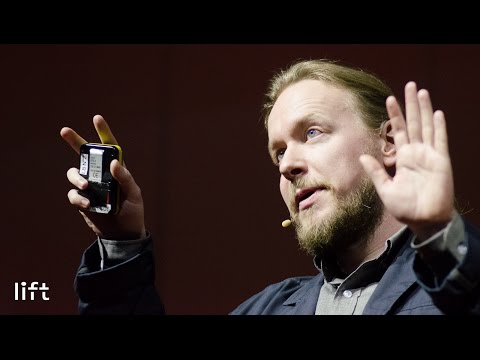
As mentioned last year, I’m working on a Artificial Intelligence that can do web design. It is called The Grid. Last week I gave a talk at Lift Conference explaining how it all works.
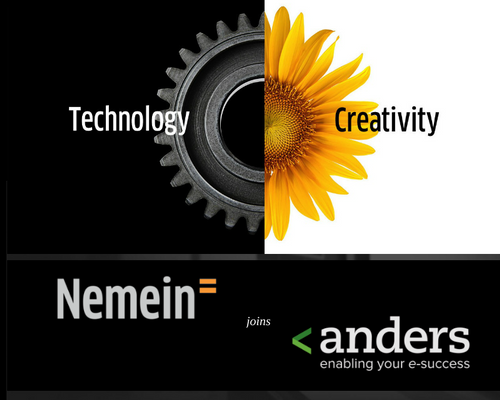
When I flew to Tenerife to sail across the Atlantic in late November, there was excitement in the air. Nemein — the software company I started in 2001 with Henri Hovi and Johannes Hentunen, and left later to build an AI-driven web publishing tool — was about to be sold.

Bitcoin — the decentralized digital currency — has been making a lot of headlines lately. Much of this is driven by the current investment boom around it that has raised the exchange rates over the 1000 USD mark. But really, looking at Bitcoin as a medium for currency or asset speculation is a bad idea. Instead, we should see it...
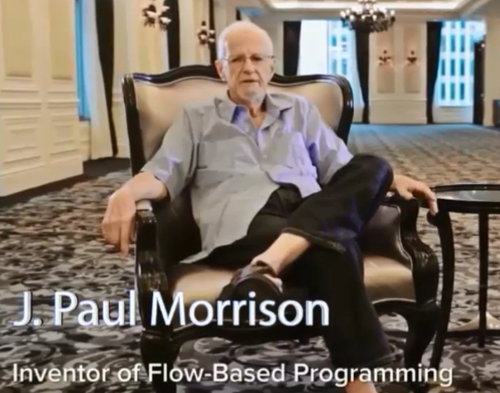
J. Paul Morrison invented Flow-Based Programming while at IBM in 1969.
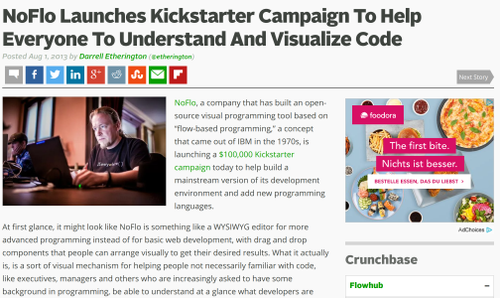
August was a big month for NoFlo. We launched the Kickstarter campaign, which went from 0 to 90% inside the month. The Kickstarter has brought quite a lot of attention to Flow-Based Programming, including lots of interesting new NoFlo contributions. There has also been quite a lot of media coverage, and I thought to collect these into one place. To...
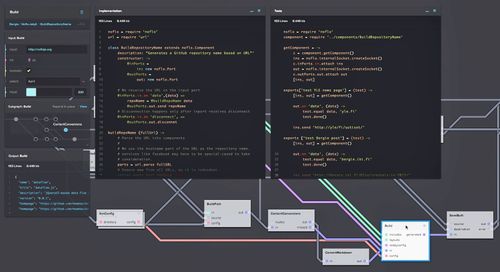
This has been a big week for NoFlo, the flow-based programming environment for JavaScript. Yesterday we released NoFlo 0.4, which added support for running flow-based programs in web browsers. And today we launched our NoFlo Development Environment effort on Kickstarter. Before continuing, make sure to watch the video!
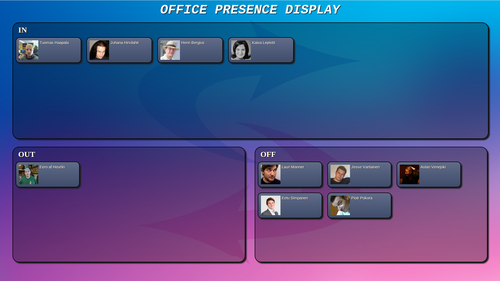
As part of the SmarcoS project, we have been investigating how to make workplaces smarter through sensors and context awareness. Here is a video showing what we’ve built:
Tablet usage is growing rapidly. Ars Technica wrote about an interesting study today:
Great post by John Lilly discussing why PC will be the truck:
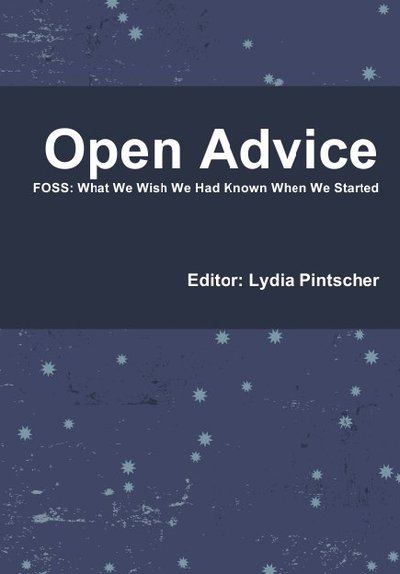
I seem to have not blogged about this, but Open Advice, our book on Free and Open Source Software: what we wish we had known when we started, was published last month. The book was edited by Lydia Pintscher and includes essays from 42 authors, many of whom you'll recognize if you tend to go to FOSS conferences. The LWN...
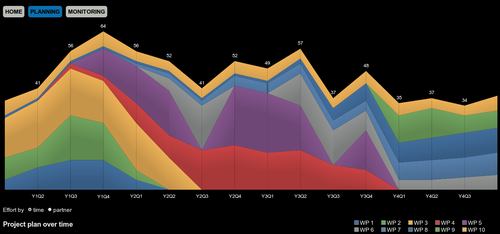
The purpose of business analytics is to find data from the company’s information systems that can be used to support decision making. What customers buy most? What do they do before a buying decision? What are the signs that a customer may be leaving?
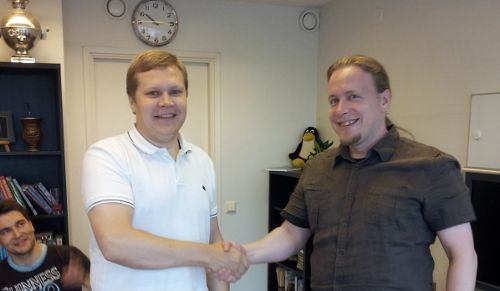
Yesterday the contracts were signed to acquire Infigo as part of Nemein. Infigo, is a consulting company focused on mobile development and web using open source tools. You'll probably at least know their CTO, Jerry of the USB finger fame. Even in the ten years of history of our company this is quite a significant move - it allows us to combine Nemein's traditional expertise on...

Disclaimer: I’m a software developer with a background in Nokia’s Maemo mobile Linux ecosystem. I’ve built both software and community services for it. As a Maemo enthusiast, I’ve also been following MeeGo with interest, and am helping to build some of the project infrastructure there as well. But I do not speak with the authority of the MeeGo project, and...
Somehow I had missed this term being coined: The old "open vs. proprietary" debate is over and open won. As IT infrastructure moves to the cloud, openness is not just a priority for source code but for standards and APIs as well. Almost every vendor in the IT market now wants to position its products as "open." Vendors that don't...
The Bauhaus’s philosophy was that form should follow function and all other distractions and decoration should be avoided. It wanted space to be experience for its purity, stripped off all the ‘dirt’ and clutter of decor. This is something that’s been happening recently in the field of visual interaction design.—Interaction Design’s Bauhaus moment talks about the recent trend towards reductionist...
Business Week on how this tech bubble is different:
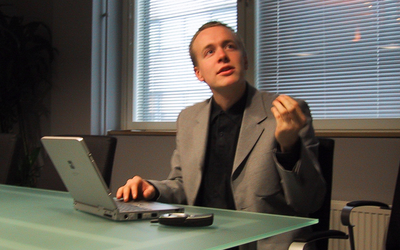
Today it is ten years since my company, Nemein, started operating. Our team had been doing the internal Midgard-based information systems at Stonesoft, but as parts of that company were being sold, our team would've been split up. So instead we started our own business with Henri Hovi and Johannes Hentunen, with the idea that our Midgard expertise would be...
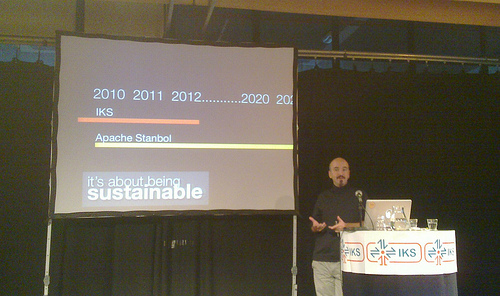
Snapshot from Bertrand's presentation in the Amsterdam IKS workshop: what does being an Apache project bring to the table? The answer is sustainability. IKS is an EU-funded project which will eventually end. Proper project governance handled together with the Apache Software Foundation can help the software to survive and thrive for long after that. Sustainability is something that is critical...
Next Wednesday will have the annual Finnish Centre for Open Source Solutions member meeting and the Helsinki MeeGo Network meetup held together in Hotel Scandic Continental. The COSS meeting starts at 4pm, continuing with the MeeGo meetup at 6pm.
The event will be keynoted by Nokia's MeeGo Developer Advocate Ronan Mac Laverty. Register now!
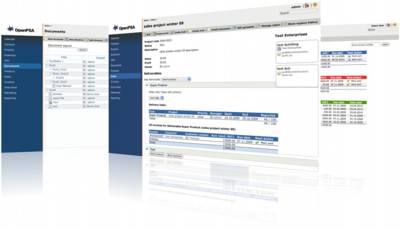
OpenPSA is an web-based management suite for consulting companies. The GPLd suite includes functionalities like calendaring and contact management, product configurations, sales processes, project management and invoicing. The application was originally developed by Nemein but since 2008 has seen excellent maintenance work by the Content Control team. As a result of last weekend's Midgard developer meeting in FSCONS, the OpenPSA suite has...
Great quote from Matt Asay's analysis of what went wrong with the opening of Symbian: Open source isn’t a one-time announcement, coupled with a code drop. It’s exceptionally hard, ongoing work that requires equal parts evangelism, programming, and customer success stories to keep developers believing that their work matters. This is very much in line with what I wrote about...
Aza Raskin on how to be a designer:
Both companies and public administration are starting to understand the benefits of free software: reducing vendor lock-in, possibility to continue development of a project after a vendor has gone out of business or lost interest, and in general enjoying the four freedoms. But unfortunately much of this understanding has been limited to the context of licenses. In reality, licenses are...
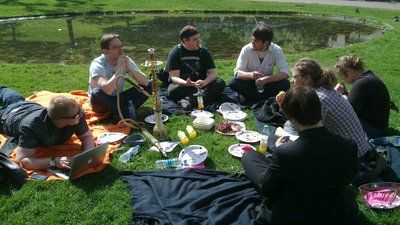
At Nemein we have a monthly staff meeting to go through all project backlogs, new initiatives and happenings in the R&D side of things. Today the weather was nice, so we decided to keep the meeting in the nearby Sinebrychoff Park, armed with croissants, cake and the company waterpipe. Quite pleasant change from routine! Thanks to Aslan for the cake!...

Facebook is facing a backlash on their constant erosion of privacy. They have a privacy policy longer than US constitution, and a track record that has even sparked a federal complaint. While I'm a big believer in a transparent society I still believe users should be in control of who can see their information and how. I think Qaiku, the...
Apple iPad is certainly interesting. It seeks to challenge the concept of PCs by providing something that is at the same time more personal, and a lot easier to use. The personal computer of the future. Gone is difficult file organization - instead, applications use their own purpose-build content repositories. Instead of seeking software from many places, all of it...
An increasing number of web services and applications are emphasising search terms or pre-selected websites instead of allowing users to enter any address they choose. This is worrying, as while searches are more user-friendly, URLs are the heart of an open web where anybody can publish without obscure business dealings or oppressive app store policies. There are many examples of...
Fake Steve Jobs on the Trouble with Android: Um, hello? Folks, the whole point of doing open-source code is to let it fork. The idea is to accelerate evolution by encouraging weird mutations. Creating an open source program and hoping it won't fork is like decorating your house with a zillion Christmas lights and a forty-foot inflatable Santa and hoping...
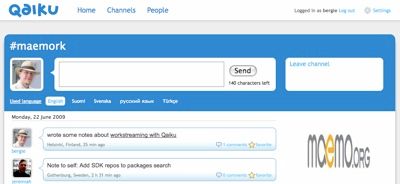
Workstreaming means collecting activities of geographically dispersed team members into a consistent news feed, enabling managers to track process and colleagues to stay up-to-date with the day-by-day happenings. As maemo.org is a distributed project worked on by a group of both volunteers and paid employees, some sort of activity monitoring is quite necessary. For a while this has been done...

About one year after Operation Suvilahti, Nemein has now grown out of the space there and so we're moving again, this time to a 50s industrial building in the Hietalahti district of Helsinki. Here's the initial floor plan that still lacks couple of desks: Our development servers and other network infrastructure will move to AfHeurlinia where there is a diesel...
So, Oracle bought Sun, and MySQL with it. Since MySQL runs much of the current web, I'd imagine many developers are now concerned with the future of that database and looking at alternatives like PostgreSQL. But instead of locking yourself to another specific database, how about going with a content repository? Content repositories are services that wrap different storage back-ends...
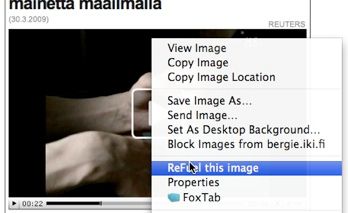
Last night Finnish energy company St1 launched ReFuel, their new biofuel product. ReFuel is interesting in the sense that it is produced from biowaste, and so no farmland is used in its production. To support the product launch we helped to create ReFuel Tehdas, an application for converting internet trash (bad pictures, advertisement banners) into money. To use it, you...
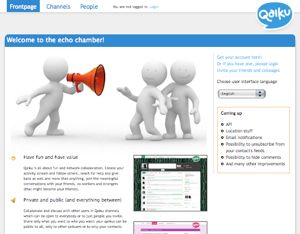
I've been beta testing the new conversation-oriented microblogging service Qaiku, and after some negotiations we today signed a cooperation agreement to join in developing the site: Qaiku is a microblogging service, focusing strongly on discussion. Microblogging differs from ordinary blogging by the length of the posts, more topical content and automatically published micromedia, such as Flickr photo stream, Audioscrobbler stream...
From the bubble-era start-up times in 2001, Nemein has based its invoicing on hours used, as is typical in the software consulting industry. The company provides services on a 100% pure, organic free software stack, and therefore there are no other additional costs beside maintenance on top of the normal work hours used for a client's benefit. With some clients...
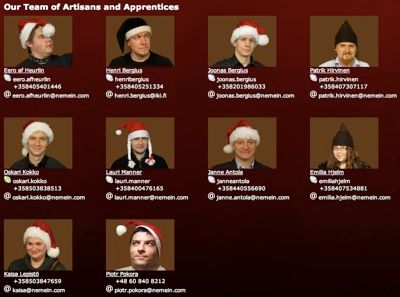
Since today is Epiphany, the last of Christmas holidays, I thought to post a screenshot of our xmas-themed staff page before it goes the way of the Christmas tree:
Technorati Tags: nemein

At Nemein we do maintenance for quite a few servers of our customers. While some customers have their own Linux distribution preference - usually RHEL - in most cases we have a say what distribution runs their servers. So far this has been debian, but now we're going for Ubuntu Server. The reasons for this are quite simple: Ubuntu follows...
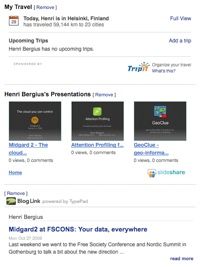
LinkedIn, the popular resume maintenance tool just got a little smarter: they added an applications catalogue that can make your profile there more dynamic. This is good as then potential business partners can find out more about myself from a single source, and I need to do less work to keep it up-to-date. I immediately added three apps, displaying my...

The Free Software Foundation's GNU project turned 25 last week, and the English humorist Stephen Fry made a video to commemorate it: Benjamin Mako Hill posted some thoughts on how the first generation of free software developers has grown: Certainly, GNU has matured and accomplished wonderful things in last quarter-century. More importantly perhaps, it's produced wonderful progeny. It has spawned...
Google's Wikipedia competitor Knol launched a while back. It seeks to make writing informative entries more appealing to authors by offering a cut of advertisement revenue from the Knol pages. This can be a substantial thing as calculations say if Wikipedia had ads the revenue from them would be 42 million USD per year. Having read Neal Stephenson's Snow Crash...

A thousand years ago, men from my lands traveled here in search of opportunities and adventure. Now, due to intercontinental relationships and working permits, I follow their footsteps. While Istanbul didn't score perfectly in Monocle's Quality of Life index, I still find it a quite appealing place for a web worker. The lifestyle is more relaxed than in the north,...
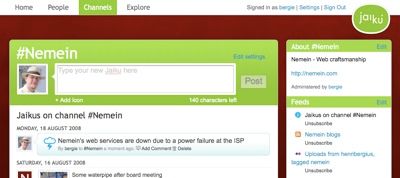
Today our ISP is having major power failures, and therefore many of our web services are down. For situations like this, it is good to establish an alternative channel of communications, and for us that is the micro-blogging platform Jaiku: http://jaiku.com/channel/Nemein If you are a Jaiku user, feel free to join the channel. Others can follow it via the RSS...
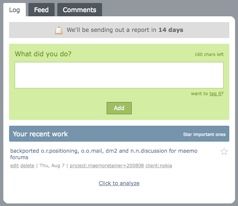
ididwork.com, a simple workstreaming service has launched this week. Workstreaming means utilizing micro-blogging services to keep your colleagues aware of what you're doing. This helps with coordinating geographically dispersed teams of web workers. As part of redesigning our processes, our company has been looking for a workstreaming solution. While private channels support in Jaiku would probably be the best option,...
A List Apart has a new survey for people involved in web business. Remove the web, and billions in trade disappear. Websites enable people who can’t walk to run to the store. They bring knowledge and freedom of thought to places where such things are scarce; make every person with a connection a citizen of the world; and allow every...
Over the years we at Nemein have been experimenting with various ways of keeping our operations managed. Now with some personnel changes including Joe's departure it was a good time to change the way we work again. I had some goals: Keeping status of different projects up-to-date with more accuracy Ensuring our sales and project management knows if some project...
Nokia has announced today that they're intending to acquire Trolltech, the Norwegian company behind the Qt cross-platform widget set and the Qtopia mobile platform. Ari Jaaksi from Nokia writes: Both GNOME and KDE are very interesting and active projects. Our strong participation in the Gnome community and the new access to KDE and Trolltech's technology puts us in an unique...

A week ago I spent some time in Berlin representing the Finnish Centre for Open Source Solutions (COSS). The event was about building a new pan-European network for Open Source companies.
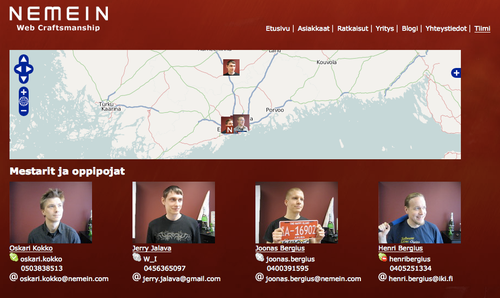
We're in the process of publishing the new corporate website today. While our web needs are actually quite simple, the site includes some nice features. As we're involved in GeoCMS development, one such feature is the active team map: The OpenStreetMap gets automatically updated as we move around. This doesn't however mean that we've GPS collared our employees, but instead...
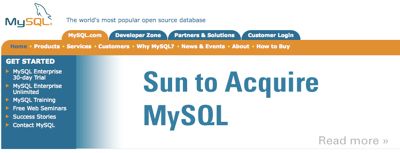
MySQL, the world’s most popular open source database has today been bought by Sun Microsystems. Congratulations to Monty and the rest of the team! Billion dollars, quite a deal in the free software space.

COSS - the Finnish Centre for Open Source Solutions - is a national development agency for open source business ecosystem. COSS consists of 125 Finnish Open Source companies, several universities and public administration.
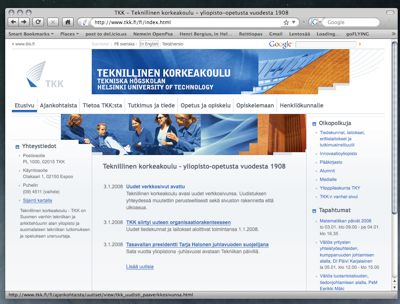
Helsinki University of Technology (TKK), the oldest university of technology in Finland launched their new site today:
Quite a lot has been said about the Knol project announced recently by Google. While many see it as a direct Wikipedia competitor, there are quite significant differences: Instead of collaborating on articles every author makes their ownGoogle promises to display article authorship prominently and to share profits from ads in an articleArticles written by individual authors compete with articles...
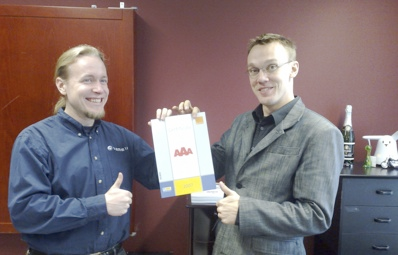
We found out a while back that our company, Nemein now has AAA (the highest) credit rating. Quite an important milestone for a free software company started during the dot com bust!

This is probably old news to most, but since I usually fly SAS my flight yesterday to Manchester for the State of the Map and GUADEC conferences was the first time I ran into Finnair’s check-in SMS service.
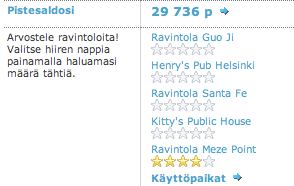
I recently logged in to the Diners Club extranet to check the credit card balance after our trip to Provence, and noticed a new feature there. They had picked some restaurant bills from my credit card statement and asked for me to rate them in a very typical Web 2.0 fashion:
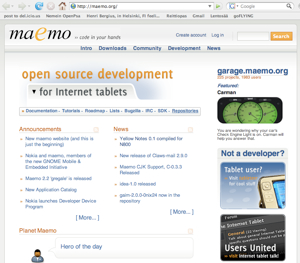
We helped to launch two interesting new Midgard-powered sites yesterday.
I just held my presentation about how the Midgard community works in the Norwegian Open Source in Business conference. Here are the slides:
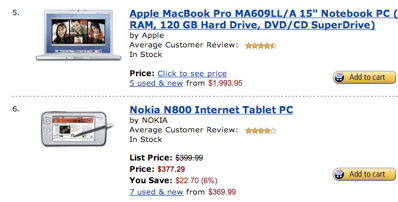
As a Maemo application developer, I of course wonder how many N800 or 770 internet tablets are out there. Nokia hasn’t released any figures as far as I know, but looking at Amazon’s Computers & PC Hardware top sellers, it seems that at least N800 is selling well. Today it was on sixth place, behind some different MacBook and Toshiba...
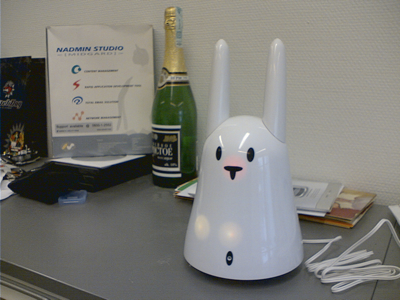
Nemein has today acquired a new General Manager into the company. We are delighted to benefit from the experience and keen insights of the brand new Nabaztag. Here you can see it already settled in our office:
Nemein delivers browser based free software solutions. Our clients include some of the leading advertisement agencies in Finland as well as major private and public companies. Nemein is looking for a junior consultant to join our Midgard deployment team.

I was discussing this IT problem at ESEEI today: Mamona, or Castor oil plant is an oil-producing plant that can be grown in relatively dry areas. Farmers of dry areas in the state of Paraná, Brazil are generally relatively poor. Petrobras has a process where Mamona seeds can be used to produce biodiesel fuel. The IT problem related to this...
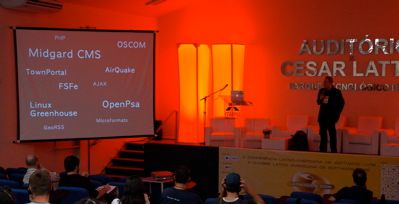
Like last year and FISL, I’m again representing DBE in LatinoWare. My talk was yesterday, and this time I focused a bit more on the practical applications of DBE instead of the politics.
I will be flying to Foz do Iguacu tomorrow for the LatinoWare 2006 conference. My talk on Digital Business Ecosystem is scheduled at 2pm on thursday the 16th. As I’ve already given two earlier talks on DBE in Brazil, I will this time skip most of the politics and focus on how DBE can make everybody in the business of...
Maemo, the open source mobile device platform developed by Nokia is switching its web infrastructure to Midgard CMS. Ferenc Szekely writes:
Inspired by the PHP Eats Rails for Breakfast report, I’ve registered Midgard CMS at Ohloh, a service tracking code contributions in various free software projects.
We’re currently struggling over contract terms related to a large outsourced Open Source development project. As the intellectual property terms seem to be difficult to many I thought to summarize the terms I feel comfortable with:
Last night I got SMS spam from Moto-Seinäjoki, a motorcycle dealer in the bothnia region of Finland, quite far from here. The message was advertising the possibility of test driving some of their new Honda range.

Today I went to see Tim Ney’s talk about Free Software Innovation in the 7th FISL conference here in Brazil. The talk started with a birthday greeting for Queen Elizabeth II.
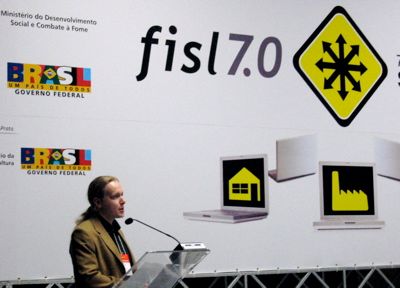
I just finished my Digital Business Ecosystem talk in the 7th International Free Software Forum, Porto Alegre.
Internet community specialist Petja Jäppinen is blogging about his new business venture on Bisnes.fi:
We are now doing some reorganization in cooperation with the support provider Protie. Part of the change is to split our team more clearly between OpenPsa development and CMS deployments. To make things easier and support the community documentation efforts, we’re planning to implement a new policy: RTFM.
Slashdot has an interesting editorial by OSDL’s Dave Rosenberg on why Open Source business must own its Intellectual Property:
Sun’s Jonathan Schwartz is talking about the environmental impact of the Internet:
My DBE tutorial in Fórum GNOME went quite well. Learning from the translation issues in Saturday’s Midgard tutorial, this time the presentation was held in the main auditorium of LatinoWare Mercosul with simultaneous translation.

Here are the Midgard CMS slides we presented to two major potential Finnish customers on friday:

The yearly meeting for COSS members was held in connection with the OpenMind conference in the auditorium of Werstas, the proletariat’s central museum of Tampere. As Nemein participates actively in several COSS projects like the Digital Business Ecosystem, I left the Espoo office early to take the bullet train north.
O’Reilly Radar comments on ZDNet UK’s Is Open Source A Bubble Ready To Burst? article:
WebProNews has a story on how the future of web design is content management:

The makers of the Basecamp project communication software, 37signals have made an interesting post on targeting software at microcorporations:
In a smashing victory for European software business, the EU parliament has voted 648-14 against the controversial software patent directive. Thanks to everybody involved!

Dave Neary has published a short essay reasoning how investments in Open Source software are five or six times more valuable than investments in US-produced proprietary software:
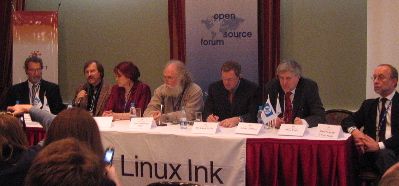
Russian Open Source Forum was a gathering of local software companies, Open Source developers and government IT people that brought together about 1500 participants. The event’s celebrities were Jon “Maddog” Hall from Linux International and Larry Wall, the Perl creator.
I’m leaving on tuesday to speak in the Open Source Forum in Moscow, Russia. The event will be held in the Radisson SAS Moscow from April 27th to 29th, and I will be back in Helsinki on 30th. My talk, TownPortal: IT Village Project for Danish Communities is scheduled at 5pm on thursday. I will talk both about the actual...
We’ve just announced something interesting, an expansion to the Georgian market. This new development follows the franchising strategy I’ve outlined earlier. This should produce some very interesting business opportunities, and let us focus on internationalization even more strongly than earlier. We already have a translation of the website and OpenPSA to Georgian, with Midgard CMS localizations to follow… Welcome to...
We get asked often about the background of the name Nemein we chose for our Open Source consultancy. As Malarkey is running a thread about this, I took the time to write the explanation down:
I’m traveling to the Nonprofit Technology Conference in Chicago, USA tomorrow to present Midgard CMS in the Open Source Content Management “SpeedGeeking” session.
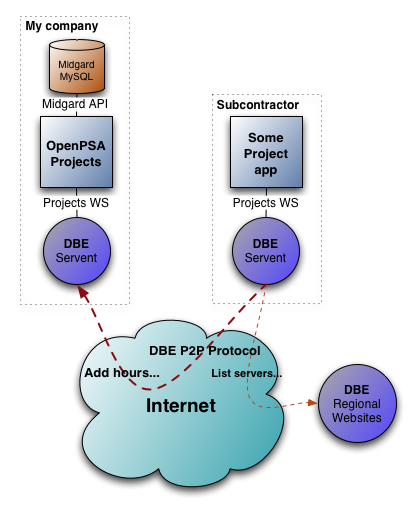
I've spent the last two days in the Digital Business Ecosystem (DBE) Workshop arranged by Hermia Science Park in Tampere. DBE is an EU-funded Open Source technology for enabling small and medium-sized enterprises to work together in P2P fashion.
Centre for Open Source Software (COSS) has published a very nice case study in Finnish about utilizing OpenPSA for resource and work shift planning.
Expect some future announcements related to this.
There was an interesting story in a recent Yrittäjä magazine about a concept called nanocorporations, or networked small businesses. Nanocorporations are formed by one or two individuals around a core competence. They are able to manage growth and larger projects by networking with other similar units, which again can network with other units. This all forms a fine mesh of...
Open Source business is a services industry. As in all service industries, the big question is the standard investor question of "How do you make money while you sleep?"We've been thinking about this for a while, considering different growth strategies. One model that would seem very viable is franchising. According to WikiPedia: Franchising is a method of doing business wherein...
While the new visuals are nice, the even bigger change is in the information architecture. Much of the site is now driven by our internal IT systems, including the automatically updated client lists and news postings. The publication of the new site marks the final stages of Nemein's transformation from a venture-funded proprietary software company to an Open Source consultancy....
Major Finnish retailer Anttila was given the Finnish Quality Award 2004 yesterday by Speaker of Parliament Paavo Lipponen. Excellence Finland has an announcement on the award in Finnish. I've worked together with Virpi Mikkonen and the rest of the Anttila team in several related projects, and they are really committed to the quality process. The projects we've implemented have included...
I'm now sitting in an old, creaking commuter train, surrounded by beautiful Finnish autumn colors. Today has been a pretty typical day for me in IT sales, starting with back luck with train schedules that forced me to sit most of the day in this old train instead of the fancier InterCity trains that come with power outlets and cafeterias....
We had been "practicing" cohabitation with the two companies since early June, with the Innopoli2 office mostly serving as a mailbox, and so the move was quite painless. Some of the office infrastructure was changed, like installing our network printers and adding more desks. The office has much less capacity than the combined number of employees in the three companies,...
The connection went down first time around noon, and returned after 2pm. Now the connection has been down since around 3:45pm.
When trying to reach Elisa's Network solutions site to find out when things will start working again, the ColdFusion server only responds with:
Some ISVs use no-cost products or open source strategies quite effectively. For example, SleepyCat is a very successful small ISV that developed its own software. At SleepyCat, they use an open source strategy. Their product is wildly popular. However, it's easy to forget just how expensive it is to build software. The ideal loss leader is something that is quite...
The conversion was done by Nemein consultant Henri Kaukola. The old site had been powered by the NemeinNavBar system. Conversion to MidCOM was handled using my nnb2midcom.php script. MidCOM offered several advantages to the old setup:Clean, file-like URLs"Edit this page" integrated authoring toolAvailability of different components, or site featuresEasily configurable metadata fields for contentAs the site was going to be...
Over half of the new business Nemein gets comes through the Web site, so it makes sense to put some effort into improving it. The old site was very product-focused and didn't really communicate how the company works.Design goals for the new site included:Highlight solutions instead of the (Open Source) products behind themHighlight Nemein's client list and some case studiesExplain...
The honor, which is accompanied by one million euros, is bestowed by the Finnish Technology Award Foundation as an international acknowledgement of outstanding technological innovation that directly promotes people's quality of life, is based on humane values, and encourages sustainable economic development.
Here in Finland the government has been pushing Open Source for a while already.The Ministry of Finance started an Open Source examination project back in 2001, and made openness of code and interfaces a recommendation for governmental information systems (also in Finnish).In addition, the Ministry of Interior is funding the Finnish Center for Open Source Software (COSS), an Open Source...
While its tempting to project a grandiose image of being a large multi-faceted company which is internationally sought-after, the problem with doing so is that you miss out on a lot of smaller work since its assumed youre too expensive. If you are in fact a large company, the smaller work might be of little concern. If youre not and...
To celebrate these developments, my website is now available under the Creative Commons Attribution-Sharealike license 2.0. This can be identified in the "Some rights reserved" link in bottom of each page, and in machine-readable RDF metadata included in the pages. At least the mocCC extension for the Mozilla Firefox browser identifies my site licensing correctly: Apparently, not everybody is completely...
Before Henry Ford unleashed the practice of mass production on the world, every little town had a few dozen artisans who made the lives of citizens easier. A cobbler made the shoes, a tailor sewed suits and a carpenter built furniture. Mass production sounded the death knell for many specialist craft jobs, and the rise of computerised supply chains finished...
I almost got my hands on something I'm familiar with, PHP-code. Bergie had a meeting and I was doing some debugging and fixing with Kaukola though I learned that it's not something to tell to a customer. The correct word was deploying or something...
For instance, OSS offers enterprises the opportunity to be more self-reliant through source code modification. It allows incremental project and upgrade schedules, free rein in integration decisions, and direct interaction with the OSS community. It creates the opportunity to implement projects in a way that is consistently mindful of enterprise goals, rather than the goals of a proprietary software vendor....
Other companies are finding that commoditization is a great weapon to use against an archenemy. Sun Microsystems, for instance, is heavily promoting StarOffice, its inexpensive open source alternative to the ubiquitous Microsoft Office. Sun knows that if it can commoditize basic business apps, it can begin to break Redmond's stranglehold on the PC desktop. The same pattern can be seen...
Motiva is using the yamp-based staging/live scripts and the filesystem cache engine from MidCOM 1.2.x. The site is available in three languages: Finnish, English and Swedish.The server signature is also quite interesting:Apache/1.3.29 (Unix) Midgard/1.6.0/Repository/MultiLang PHP/4.2.3 MidCOM provides many nice new features for the site, including: Clean, pronounceable URLs"Edit this page" functionalityRSS news feedsNew site componentsThe site conversion from the old...
Daniel Carrera from the OOo team has posted a very good summary on the stories.IRC log: How open source projects can improve their PRGetting good PR for your Open Source projectThe Care and Feeding of the PressThis is very topical now that OpenPSA is going public on May 8th.
B2B websites must support a more complex buying process than B2C sites. Three key goals are to make a buyer's shortlist, offer a downloadable advocacy kit, and build a reputation for great service.
This would make building any kinds of web stores or shopping carts require a patent license.I guess European Union has decided to move Internet back to stone age, then. Competitiveness with American software business, indeed.It is still not too late to do something.
Despite its critics, knowledge management (KM) has not been over-promised; rather, vendors have under-delivered. Blogs can address the gap between KM promise and requirements by letting local expertise emerge. Heres a good background on blogs and how Lucent is using them in KM. Updated 2004-04-15: Oops, the guidelines were not actually from AMA. Instead, they were response to AMA's instructions...
Still back in 1999 it was a struggle to get my employer to run a Linux server. Two years later their own main product ran only on Linux.However, "Year of the Penguin"? There have been many of those...1999 - The Year of the Penguin2000 - Could've been Year of the Penguin2001 - Not the Year of the Penguin2002 - The...
The site design and development was done by Henri Kaukola and hosting is provided by Finnish Teleservice Center.
The original Linux Greenhouse class convened in Seoul, Korea in June at the Global Linux 2000. Nemein has been providing eRiding services to LGH since spring 2001.The site design was made by Airton Jordani from loulouejordani.com.
"The current excitement over blogs is curious, since they amount to little more than personal Web pages. Although a standard history of blogging dates the phenomenon to 1997, the key attributes of the blog - a page of selected links and comments in reverse chronological order - can be found as far back as June 1993 on the NCSA What's...
The law defines web publication as a periodic publication created from materials collected by the publisher. This definition would make the law apply to blogs, mailing lists, discussion forums and news sites, but not necessarily to regular organizatorial websites. The "Application of Freedom of Speech in Mass Media" law can apply even to personal blogs, but is slightly eased for...
"The Internet is powered by open source." "The Internet is the carrier for open source." "The Internet is also the platform through which open source is developed." "It's simply going to be more secure than proprietary software." "Open source benefits from anti-American sentiments." "Incentives around open source include the respect of one's peers." "Open source means standing on the shoulders...
The new website is powered by MidCOM 1.2.0 and midcom-template.Most of the site is static content but they are already utilizing some of the nice dynamic features, including an automatic RSS 2.0 feed of their news items.
Nemein Solutions, the leading Nordic provider of Midgard solutions arranges a free Midgard installfest on August 14th, starting at 17:00.
Nemein Solutions Oy, a Finnish software company specialized in mobile collaboration solutions has received an initial round of seed financing amounting EUR 350.000 from private investors.
I will be speaking in the following seminars and training events during May -June 2000. (16th May. 2000)